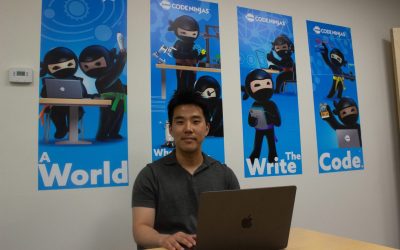
When Victor Lee graduated from Dartmouth College in 2019, he knew he wanted to build something of his own. What he did not know was exactly what that would look like.
Like many recent graduates, Lee was exploring his career options and thinking about what he wanted his future to become. During his time in college, he wrote down 10 personal goals he hoped to accomplish throughout his lifetime. One of those goals was to open a school.
That goal became a reality sooner than he expected. In 2021, at just 24 years old, Lee purchased his first Code Ninjas location in Sudbury, Massachusetts. Since then, he has expanded his business to four locations across Massachusetts, building a franchise focused on helping students develop technology skills, confidence and problem-solving abilities.
While starting young gave Lee the opportunity to learn early, the skills that helped him grow are the same ones any franchise owner needs: the ability to adapt, continue learning and build something meaningful.
Finding Entrepreneurship Through Purpose
Lee’s path to franchise ownership was not driven by a desire to simply own a business. It was about finding a way to combine entrepreneurship with his passion for education.
When Lee discovered Code Ninjas, he saw an opportunity to bring those interests together: building a business while creating a space where students could learn skills in coding, robotics, and AI that would prepare them for the future.
For young professionals considering entrepreneurship, Lee believes finding the right opportunity starts with understanding what motivates them. Franchise ownership requires significant time, energy and commitment, so choosing a business that aligns with personal goals and values can provide important direction through the challenges that come with building a brand.
What Young Professionals Should Consider Before Investing in a Franchise
While franchising provides entrepreneurs with the opportunity to operate within an established system, Lee believes prospective franchise owners should understand that it still requires an entrepreneurial mindset.
A franchise is not simply an investment. It requires ownership – making decisions and building relationships with the community. Being a business owner means building and leading teams, creating strong customer experiences, and continuing to improve operations over time.
When Lee became a franchise owner, he quickly learned there was no way to know everything before starting. Like many entrepreneurs, he had to learn through experience, adapt to new challenges, and continuously develop as a business leader.
That willingness to learn has been one of the most important factors in Lee’s growth. From managing day-to-day operations to expanding into additional locations, each stage of ownership has required him to approach challenges with curiosity and flexibility.
For aspiring franchise owners, especially those earlier in their careers, Lee believes it is important to evaluate an opportunity beyond the initial investment. Understanding the business model, the support available, and whether the brand’s mission aligns with personal goals are all important parts of making an informed decision.
The Skills That Help Young Entrepreneurs Succeed
Lee’s path to business ownership was not traditional. He studied political science and Arabic at Dartmouth and gained experience through tutoring and working in different family-owned businesses before becoming a franchise owner.
Lee believes many of the skills needed to succeed in franchising are not limited to a specific degree or career background. Communication, problem-solving, adaptability, and the ability to work with different types of people have all played an important role in his journey.
One of the biggest lessons Lee has learned is the importance of consistency. Building a successful business is not about making one major decision that changes everything. Instead, growth comes from making small improvements every day.
As Lee expanded from one location to four, he learned that the skills needed to start a business are not always the same skills needed to grow one. Early on in his journey, he was involved in nearly every aspect of the business. As the company expanded, he had to learn how to delegate, trust his team and focus on becoming a stronger leader.
That transition has been one of the most important parts of his growth as an entrepreneur. Building a successful franchise requires more than completing daily tasks. It requires creating a team that shares the company’s mission and can help maintain consistency as the business grows.
That ability to adapt has become even more important as technology continues to evolve. As an owner of a technology-focused franchise, Lee has seen firsthand how quickly the industry changes, particularly with the rise of artificial intelligence.
For young entrepreneurs, Lee believes staying curious and willing to learn are among the most important skills they can develop. The ability to adapt to new tools, trends, and challenges can help business owners make better decisions and continue growing in an evolving marketplace.
Building a Business for the Future
Lee’s journey demonstrates that there is no single timeline for entrepreneurship. Some business owners begin after years of professional experience, while others discover their entrepreneurial path earlier in their careers.
For Lee, starting young provided the opportunity to gain experience early, but the lessons he has learned apply to franchise owners at any stage. Success requires finding the right opportunity, staying open to learning, and remaining committed to continuous improvement.
By combining his passion for education with the structure of franchising, Lee has built a business that reflects the goal he set years ago: creating an opportunity to help others learn, grow and prepare for the future.