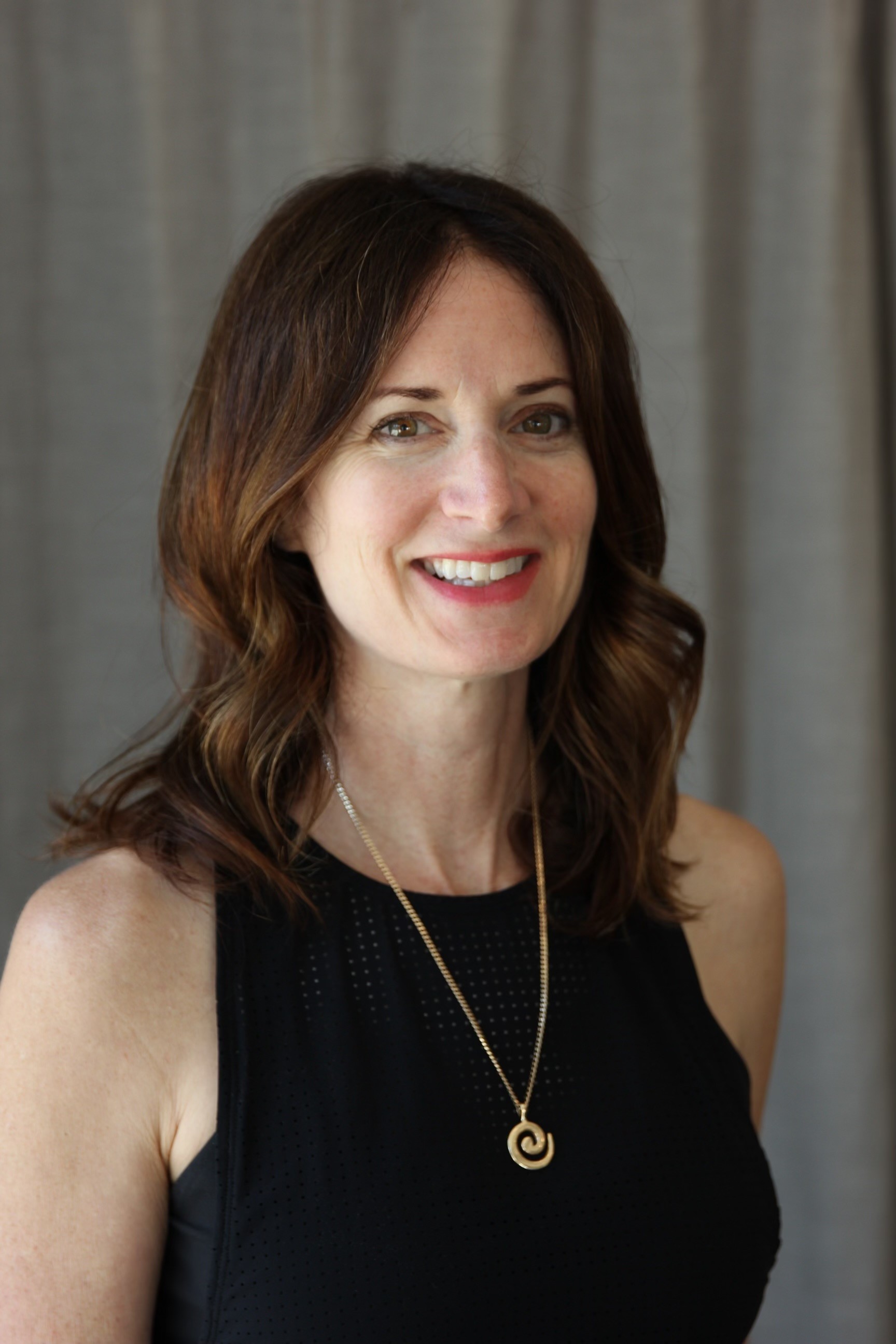
When I opened my first The Bar Method studio with my business partner, Noreen Dante, in 2004, boutique fitness looked nothing like it does today. There wasn’t a crowded field of specialized concepts competing for the same consumer, and members didn’t have nearly as many choices for where or how they worked out.
My background was in international business, and I was working for a technology company when my sister first brought me to a class at The Bar Method. I was hooked after that first class and knew almost immediately that I wanted to open a studio of my own. I didn't come from the fitness industry or start my career expecting to become a business owner. What I did have was business experience, an entrepreneurial drive and a concept I genuinely believed in.
Shortly after, I started working at the studio and eventually trained to become a teacher, giving me the opportunity to understand the business and technique from the inside. When the opportunity came to open the brand’s first non-corporate studio, I was granted a license and matched with Noreen Dante as my business partner. Together, we opened our first studio in 2004.
More than two decades later, we own three The Bar Method studios in Palo Alto, San Mateo and San Francisco. Together, we’ve watched boutique fitness become an incredibly competitive industry and experienced firsthand what it takes to continue growing a franchise business as the world around it changes.
One of the biggest lessons I’ve learned is that longevity doesn’t come from keeping a business exactly as it was when you first fell in love with it. A franchise model has to evolve while understanding what made people believe in the concept in the first place.
Adapting to Change
In our early years, there simply wasn’t the level of competition there is today. As more fitness concepts entered the market, consumers had more places to go and more workouts to try. We began seeing those changes in our studios. Attracting new clients required more effort, and Noreen and I had to think differently about marketing, incentives and how we kept existing members engaged.
Today, members expect variety and are constantly exposed to new workouts and fitness trends. We’ve seen The Bar Method respond by expanding beyond its traditional barre programming with formats like Strength and, most recently, Pilates as demand for those modalities has grown. For us as franchisees, that gives us new ways to serve our existing members while introducing the brand to people looking for different types of workouts.
How people purchase fitness has evolved as well. Our business is no longer centered solely around recurring memberships. Flexible class packs and fitness aggregators like ClassPass give consumers more ways to experience our studios and allow us to meet members where they are.
Keeping up with every shift would be difficult for an individual franchisee to do alone. That is where being part of a franchise network continues to provide value. A franchisor can look across its network, invest in programming, marketing, technology and systems, and help us as operators respond to changes happening across the industry.
Technology has also transformed how we operate and market our studios compared with 2004. After more than 20 years, I’ve learned that being willing to adapt is part of remaining relevant.
Protecting the Core
What has kept me invested in The Bar Method is seeing the business evolve while still recognizing the experience and community I originally bought into.
The technique is at the heart of The Bar Method. Adding formats like Strength and Pilates allows the brand to evolve alongside what consumers are looking for without walking away from the intentional movement and technique that have defined it for 25 years. Having people within the organization who deeply understand the technique and its history has helped us evolve without losing that foundation. The institutional knowledge matters because without a clear understanding of what you are trying to preserve, it becomes easy for a fitness concept to start feeling like any other gym.
The balance becomes increasingly important as a franchise matures. Longtime members and franchisees value what has worked for years, while newer members arrive with different expectations and fresh ideas about what they want from their fitness experience. You have to be willing to serve both.
Staying Connected
After more than 20 years, I’ve experienced different economic environments, shifts in consumer behavior and the growth of an entire industry around us. Longtime franchisees carry firsthand knowledge that can be valuable as a brand determines where it goes next.
Serving on The Bar Method’s Franchise Advisory Council has given me a way to contribute that perspective and stay engaged with what is happening across the system. Communication is especially important when a brand introduces new initiatives or asks operators to change something about how they run their businesses. Franchisees want to understand where the business is going and the reasoning behind those decisions.
I also believe franchisors benefit from spending meaningful time inside the businesses their franchisees operate. Visiting locations, experiencing the customer journey and seeing how new initiatives translate at the local level provides valuable context. The strongest advisors are those who understand what happens inside the four walls and can bring that knowledge into their conversations with operators.
Looking to the Future
For me, The Bar Method has become much more than the business Noreen and I started building together in 2004. Our studios, staff and clients have become an extension of my family, and the business has grown alongside my own life, including becoming a mom.
That personal connection is meaningful, but a long franchise relationship also requires continued investment, thoughtful evolution and a willingness to listen to operators.
When I think about the fitness industry I entered in 2004 and the one I operate in today, nearly everything around us has changed. What has kept me invested is being able to evolve alongside those changes while still recognizing the business, community and experience that made me want to become a franchisee in the first place.
For professionals considering making a similar leap into franchising, I've learned that you don't need to have every chapter mapped out from the beginning. You do need to believe in the business you're building, understand the work ownership requires and be willing to evolve along with it.