
Franchisees of a retail space must take security seriously. The safety and security of your customers, employees, and property should always be a top priority for ownership and management. Strong security can prevent shoplifting, improve communication, and, most importantly, create a safer environment for everyone.
There is no shortage of physical security teams willing to contract with retail spaces, but it is important that franchise owners understand what makes a competent retail security team and ensure they hire the right one. As a private security expert, I have worked with many retail shops on their private security plans. Here are a few tips to help you vet prospective security teams.
Insurance and licensing are mandatory
This one seems like a no-brainer, yet so many shop owners overlook important details if the price is right. The first thing you should ask any security team is whether they are licensed and insured. If they can’t meet that basic standard, they should not be hired to work in your retail space.
Any security firm you work with should be licensed by your state’s Department of Public Safety or your state’s Security Agency governing body and carry at least $1 million in liability insurance. This is the bare minimum a firm should meet to be considered. Ideally, your security firm will have more than the basic licensing and liability insurance coverage.
Operating a retail space is hard work, so don’t waste your time interviewing firms that don’t meet basic licensing and insurance requirements.
Experience is key
There are many scenarios where a firm might not need specific experience for a security role in that industry. Retail is not one of those scenarios. You need to hire someone with retail experience. They should know loss-prevention laws in your state and have experience spotting shoplifting. They also need to know how to properly engage with someone who shoplifts or is suspected of such.
The safety of your team is the top priority of your security plan, so your security guards need experience handling shoplifters and aggressive individuals.
The primary role of retail security is to observe and report theft to law enforcement. Experienced security de-escalates situations. They don’t put everyone at risk by physically engaging with shoplifters.
Hire firms with retail security experience.
Unarmed guards in plain clothes and uniforms
Unless you work in a high-value merchandise industry, you should not hire armed guards. Jewelry stores and pawn shops may need armed security, but your department store does not. In a retail space, security is about reporting theft and serving as a deterrent. You don’t want to escalate a situation with armed guards, and you don’t want them making customers feel uncomfortable. Competent unarmed security is all you need.
You want to hire a security firm that can operate in both plain clothes and uniform. Uniformed security is most important, so if you are on a budget, that should be your first priority. Uniformed security is your biggest deterrent. Shoplifters are less likely to simply leave without paying if they know a guard is at the entrance and exit.
Plain-clothes security is meant to patrol the store and catch shoplifters who might put extra goods in a shoebox. Uniformed security is unlikely to catch more discreet forms of theft. At the end of the day, it is more important to have uniformed guards at the entrances and exits than plainclothes guards catching theft on the floor. In a perfect world, you would have a security team that distributes both types of security evenly.
References required
References are the best way to weed out bad security teams. Don’t be afraid to ask for references from any prospective security team. If a security company works extensively with retail shops, ask them to list some of those shops as references. Ask for two or three current retail clients and call them. Don’t simply ask whether the security firm did a good job; ask how they performed throughout the process, from site assessment to staying on budget.
Site assessment before contract
To develop a plan, security teams will conduct a site assessment. This means a security company will walk through your retail space and ask questions about your shop and camera systems to determine the type of security your business needs. A reputable security company will conduct this site assessment before asking you to sign a contract. The site assessment is how a security team determines costs. I would avoid working with any firm that won’t conduct this assessment before making you sign a contract.
Price transparency should be a core value for physical security firms, and they shouldn’t try to commit your retail franchise to a partnership before being upfront about costs. Don’t work with security firms that don’t conduct a pre-contract site assessment.
Implementing the right security team is essential to the safety of your retail franchise. The right security team will keep staff and customers safe and deter theft in your store. It is important to vet a firm thoroughly before entrusting it with the security of your franchise location. Hire experienced guards whose quality can be verified by the clients they serve. Do this, and you will know you have competent retail security.
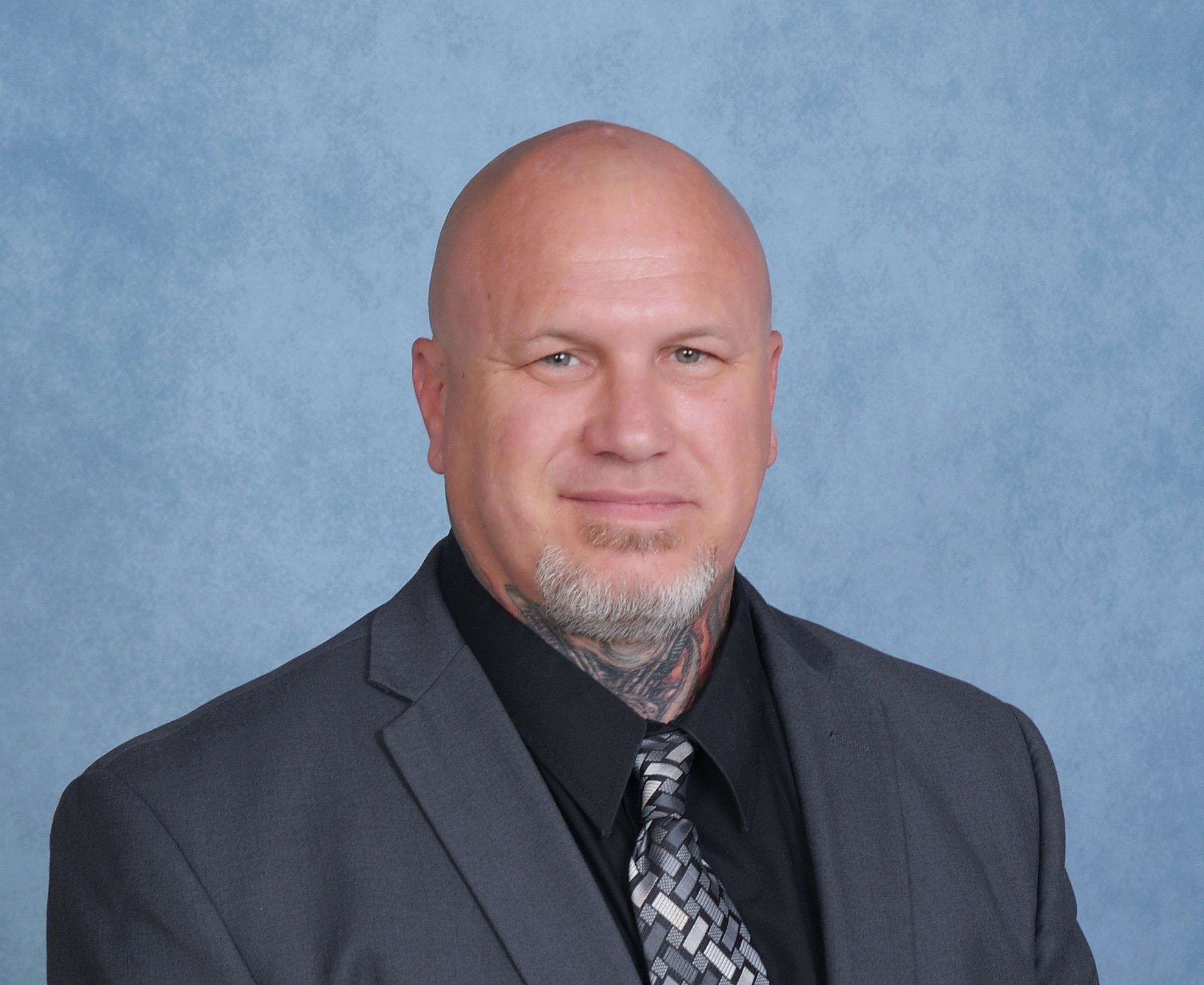
Frank Sheldone is the Founder and President of Armor Protection Group, a private security company in Phoenix, Arizona. The security firm specializes in helping retail shop owners protect their customers and property from vandalism and theft.