A note to franchisors, from a strategist who has spent 22 years on the buyer's side of the table, and 15 before that in operations and development on the franchisor side of the fence.
September, in these pages Franchising Magazine USA kindly featured me and wrote that our days at the kids' table are over. The article was talking about franchisees. The operators who built real companies inside your systems and were still seated like guests.
This month I am writing to you. The founder. The CEO. The development chief. The sponsor who owns the brand.
The thesis has not changed. Franchising will not be us and them. It will just be us, all of us. We will all be at the same table.
I know how that sentence lands in some boardrooms. So here is what it asks of you, and what it gives back.
Why it sounds like a threat
For most of franchising's history the model had two seats. One side owned the brand. The other side rented it. One side collected royalties. The other side made payroll.
That arrangement trained both of us. Franchisors learned to manage franchisees. Franchisees learned to ask permission.
So when a franchisee starts to look like an institution, with capital, a management team and a point of view, the old reflex kicks in. Who is in charge here? What happens to control? What happens to brand standards when my largest operator can say no?
Fair questions. Here is the part the reflex misses.
The operator who can say no is the same operator who can say yes at scale. Yes to the remodel. Yes to the new market. Yes to buying the struggling units you have worried about for three years. You do not get the second without the first.
What a bigger seat brings you
Look at who sits at the top of Knauf's Hierarchy of Franchising™. The Franchise Portfolio Enterprise. The Legacy Owner. Then look at what they carry into a system.
Capital. An enterprise-level franchisee funds growth you would otherwise have to finance, sell or wait for.
Depth. They have a bench. Regional leaders. A finance function. A people function. When they open the next unit, nobody is learning the job for the first time.
Succession. When a single-unit owner retires, you have a transfer problem. An enterprise has an exit plan, a buyer profile and a timeline. Your system keeps its units and its royalty stream.
Signal. Serious candidates and serious capital call your largest operators before they call you back. What those operators say is your real sales pitch.
That is the cheapest growth capital and the most credible validation a brand will ever get.
There is also a market forming whether you join it or not. Experienced operators now choose among brands the way brands once chose among candidates. They compare support, economics and respect. They talk to each other.
What it will cost you
I will not pretend the seat is free.
An enterprise franchisee negotiates. They bring counsel to the renewal. They read the technology fee line by line. They ask what the marketing fund bought. Some days that will feel like friction.
It is the friction of dealing with a peer. You already accept it from your lenders, your landlords and your investors. Nobody calls that a threat. They call it business.
A system that only works while its franchisees stay small has a ceiling. Yours and theirs.
Four moves before your next convention
Recruit for the top of the ladder. Ask every candidate where they intend to be in ten years. Then build a development path that can hold the answer.
Put operators in the room before the decision. A council that hears the news after the vote is an audience. Bring your strongest franchisees in while the question is still open.
Make exits a system function. Know which owners are five years from the door. Know who inside the system could buy them. A planned transfer protects unit economics. A distressed one damages every owner nearby. Help those that want to build to a Private Equity exit pursue that goal.
Share the upside. In September I introduced Fractional Franchisor Cashflows, a way for qualified operators to hold a fractional interest in the franchisor's own cashflows. I will not re-argue it here. The principle is short. People who own a piece of the royalty stream stop fighting the royalty. They start protecting it.
The first three cost you nothing but intent. The fourth takes lawyers. All four start with a decision about who your franchisees are to you.
The invitation
You can decline. Plenty will. You can keep two tables and go on managing franchisees one compliance letter at a time.
Your best operators will keep climbing anyway. They will do it under someone else's flag. The capital that follows them will go where they go.
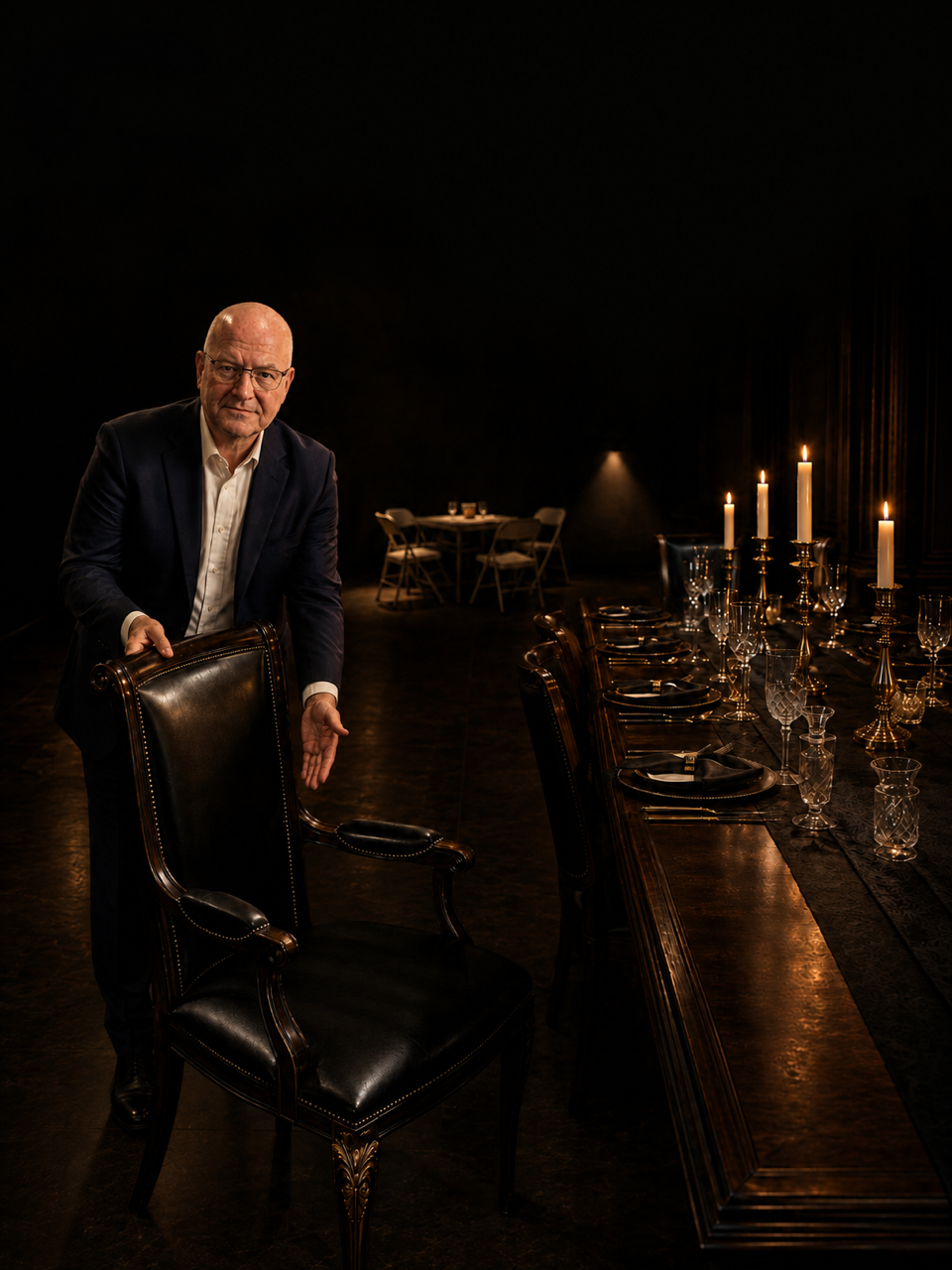
Or you can set another place at the table.
The World Franchise Show is behind us, like the Industrial revolution is starting to be. The booths are packed away. The conversations that count now happen in your own conference room, with your own operators, about your own system.
Pull up a chair. There is room.
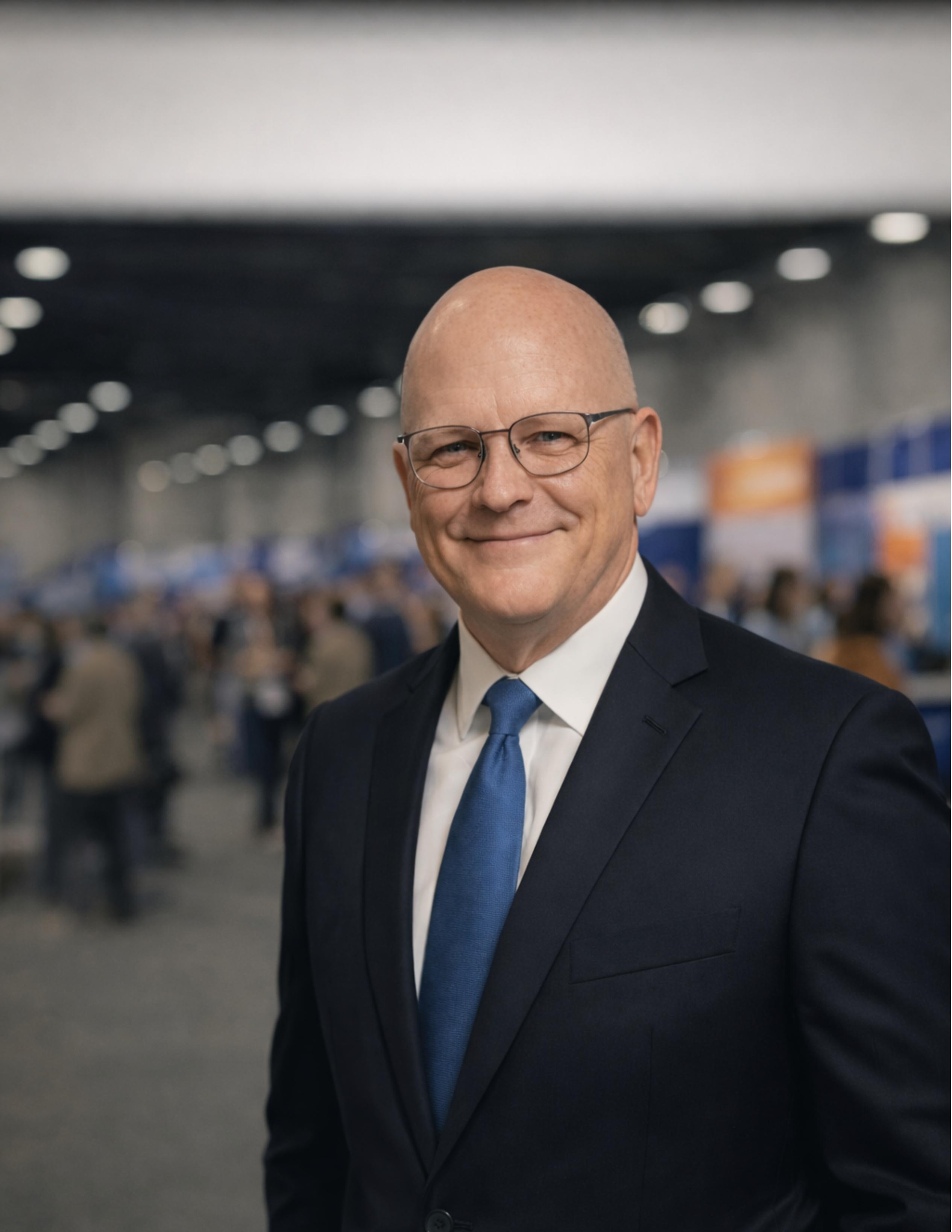
George Knauf is a Franchise Investment Strategist with 30 years in franchising, 22 of them on the buyer's side through FranChoice. He is the founder of MyPerfectFranchise.com and Orca Franchising (OrcaZee.com), the creator of Knauf's Hierarchy of Franchising™, and the author of The Last Employee: The Rise of Ownership.