When Brian Gross joined Bach to Rock, the brand had just two schools. The opportunity in front of him was not simply to grow the number of locations, it was to build a business that could deliver meaningful music education to more families while giving franchise owners the systems, support and confidence to build sustainable businesses in their own communities.
Before Bach to Rock, Gross worked across commercial real estate lending, consumer brands and education. His experience included time with Bank of America, work involving major consumer brands such as DiGiorno and CoverGirl, and a role at Sylvan Learning focused on developing new revenue opportunities. He and his wife also launched a children's shoe company, giving him firsthand experience with the realities of entrepreneurship.
Each chapter of his career contributed something different to his leadership approach. Large organizations demonstrated the value of strong brands and repeatable systems. His work in education reinforced the importance of delivering an experience that creates tangible value for families. Entrepreneurship gave him a deeper understanding of what it means to make decisions when the outcome directly affects the health of a business.
Those experiences now shape how Gross leads Bach to Rock, particularly when it comes to supporting franchise owners and building a system designed for long-term growth.
Building a Business Around a Meaningful Mission
Music and education have long been important parts of Gross’ life. Having spent time as a high school coach and with a passion for all types of music, attending dozens of live shows each year, Bach to Rock’s philosophy resonated with him. Music education isn’t solely about learning an instrument individually, it could also help students collaborate, communicate, perform and build confidence.
That philosophy remains central to the Bach to Rock model.
For prospective franchisees, the mission is often one of the first elements that stands out. Many candidates are looking for more than a traditional business opportunity. They want to build something that can become part of the fabric of their local community while creating a positive impact for students and families.
Some Bach to Rock owners are lifelong music enthusiasts. Others have spent years in corporate careers and are looking for an opportunity to reconnect with a more creative side of themselves. Regardless of their background, the model gives franchisees a chance to build a business while creating opportunities for local musicians and providing students with a place to develop skills that can extend well beyond music.
At the same time, Gross believes mission alone is not enough to create a strong franchise system. It has to be supported by infrastructure.
Turning a Great Idea Into a Scalable System
When Gross joined Bach to Rock, many of the brand's processes were still being developed. As the company has expanded, it has formalized systems across the business, including how prospective students are captured, lessons are scheduled, curriculum is tracked and school operations are managed.
That evolution is an important part of the value proposition for prospective franchisees. Owners are joining an established system rather than being expected to build every operational process on their own.
One of the brand's biggest priorities has been making those systems thoughtful and repeatable while continually improving the experience for students and families. Bach to Rock has invested heavily in training, including in-person education, video-based resources and a learning management system designed to help owners, teachers and team members continue developing their skills.
That emphasis becomes increasingly important as the franchise system grows. The objective is not simply to open more schools, but to maintain a consistent, high-quality experience across locations.
The curriculum has evolved as well. Bach to Rock continues to build around the fundamentals of music education while responding to the interests of today's students. Programs such as DJing and music production have expanded the offering, while the brand continues to pay attention to cultural trends and new ways students want to engage with music and performance.
The format may evolve, but the core concept has remained largely unchanged: students can gain more from music education when they have opportunities to play together, perform and enjoy the process.
Franchise Relationships Require More Than a Playbook
As president, one of Gross' most important responsibilities is maintaining close relationships with Bach to Rock's franchise owners.
“Franchising is a long-term partnership,” said Gross. “You’re not always going to agree on every decision, and that’s okay. What’s important is that both sides respect each other, keep the lines of communication open and are willing to find common ground. That’s how you build a relationship that can last and ultimately help everyone succeed.”
Gross spends significant time speaking with franchisees in order to stay close to what they are experiencing in their local businesses. That feedback helps the corporate team identify where owners may need stronger marketing resources, additional training, operational improvements or new tools.
It also reflects one of the most important lessons Gross has carried throughout his career: culture matters.
At Bach to Rock, culture extends from the corporate team to franchise owners, teachers, students and ultimately the parents who trust the brand with their children. Gross views his role not only as growing the company, but also as stewarding a culture where people have the tools to succeed and the opportunity to contribute their expertise.
Growth With Purpose
Bach to Rock has ambitious goals for the future. For 2026, the company is targeting 10 new franchise agreements and five school openings, with a longer-term vision of significantly expanding its national footprint over the next several years. With a recent acquisition by Spark Harbor, the brand is well on its way to reaching those goals.
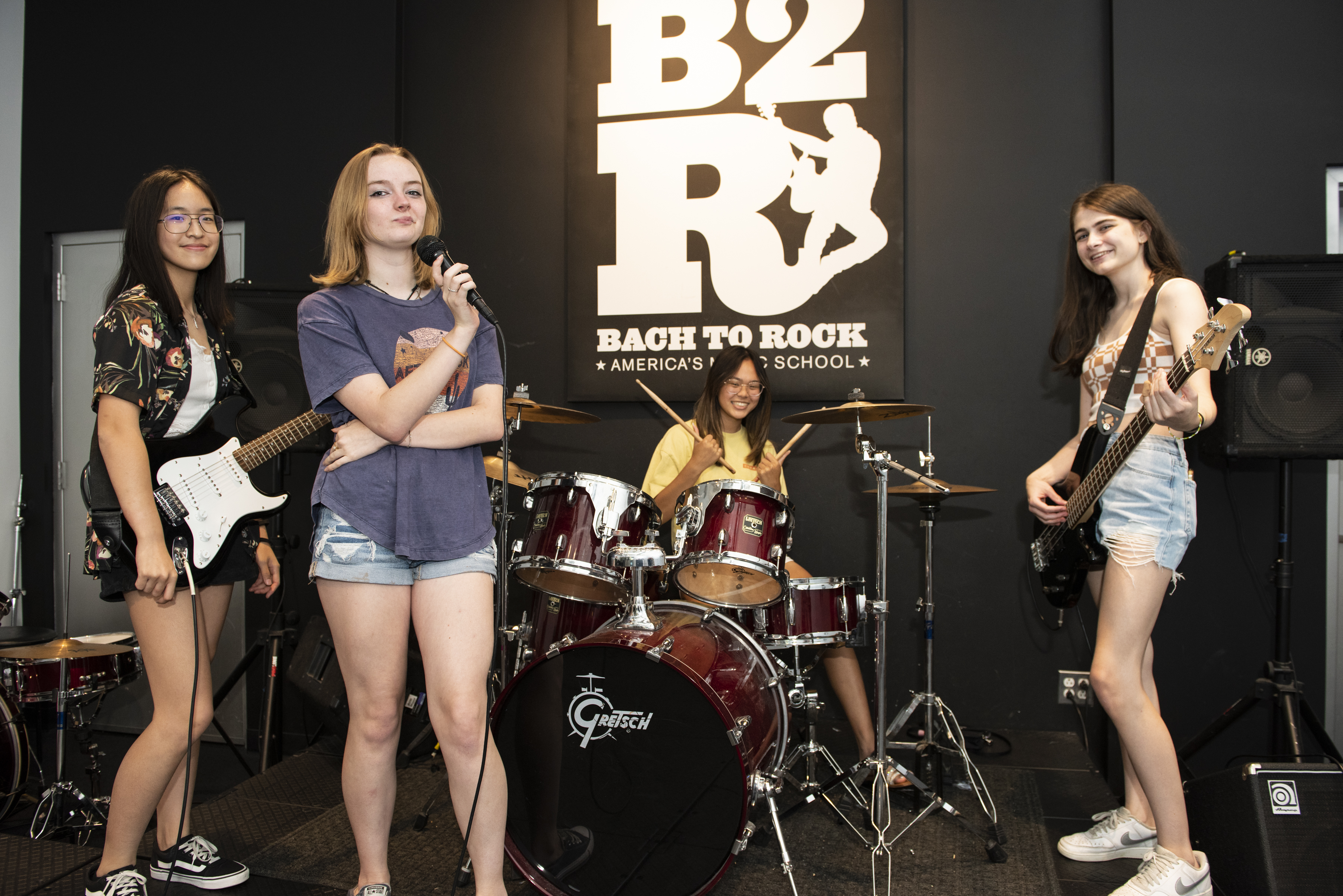
Unit count is not the only measure of success though, one of Gross’ proudest moments continues to be watching students take the stage and entrepreneurs flourish within the system.
“Seeing a student get up on stage is always incredibly rewarding,” continued Gross. “Whether they came to us shy or already full of confidence, you know how much practice, encouragement and growth went into getting them to that moment. I feel a similar sense of pride when I see our franchisees grow into entrepreneurs. Some have come to us after being laid off, while others were ready to leave corporate careers and pursue something more meaningful. Helping them build a business of their own, become part of their communities and realize those goals is one of the most rewarding parts of what I do.”
That intersection of purpose and entrepreneurship is also what he believes helps Bach to Rock stand out to prospective franchisees.
The brand gives owners the opportunity to build a business around an area that many families continue to prioritize: investing in their children's development. Bach to Rock then supports that mission with the systems, training, relationships and ongoing innovation designed to help franchisees build healthy, sustainable businesses.
Under Gross' leadership, the goal is not growth simply for the sake of getting bigger. It is to create a model strong enough to support entrepreneurs, flexible enough to continue evolving and meaningful enough to make a lasting difference in the communities Bach to Rock serves.