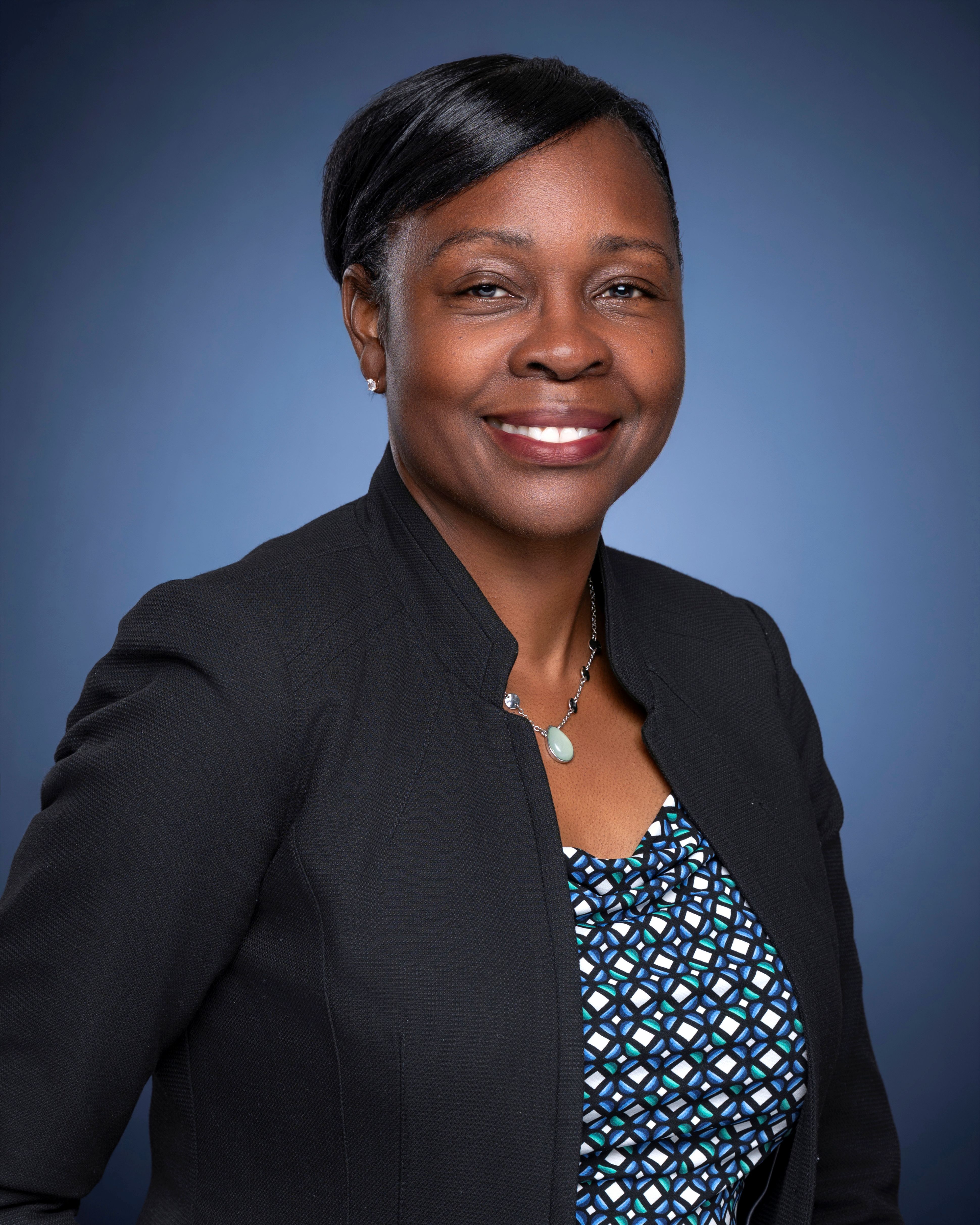
After more than 30 years in the Army, I knew how to lead teams, build workforce strategies, recruit talent, and navigate complex organizations. What I had to figure out was how those skills would translate into the next chapter of my career.
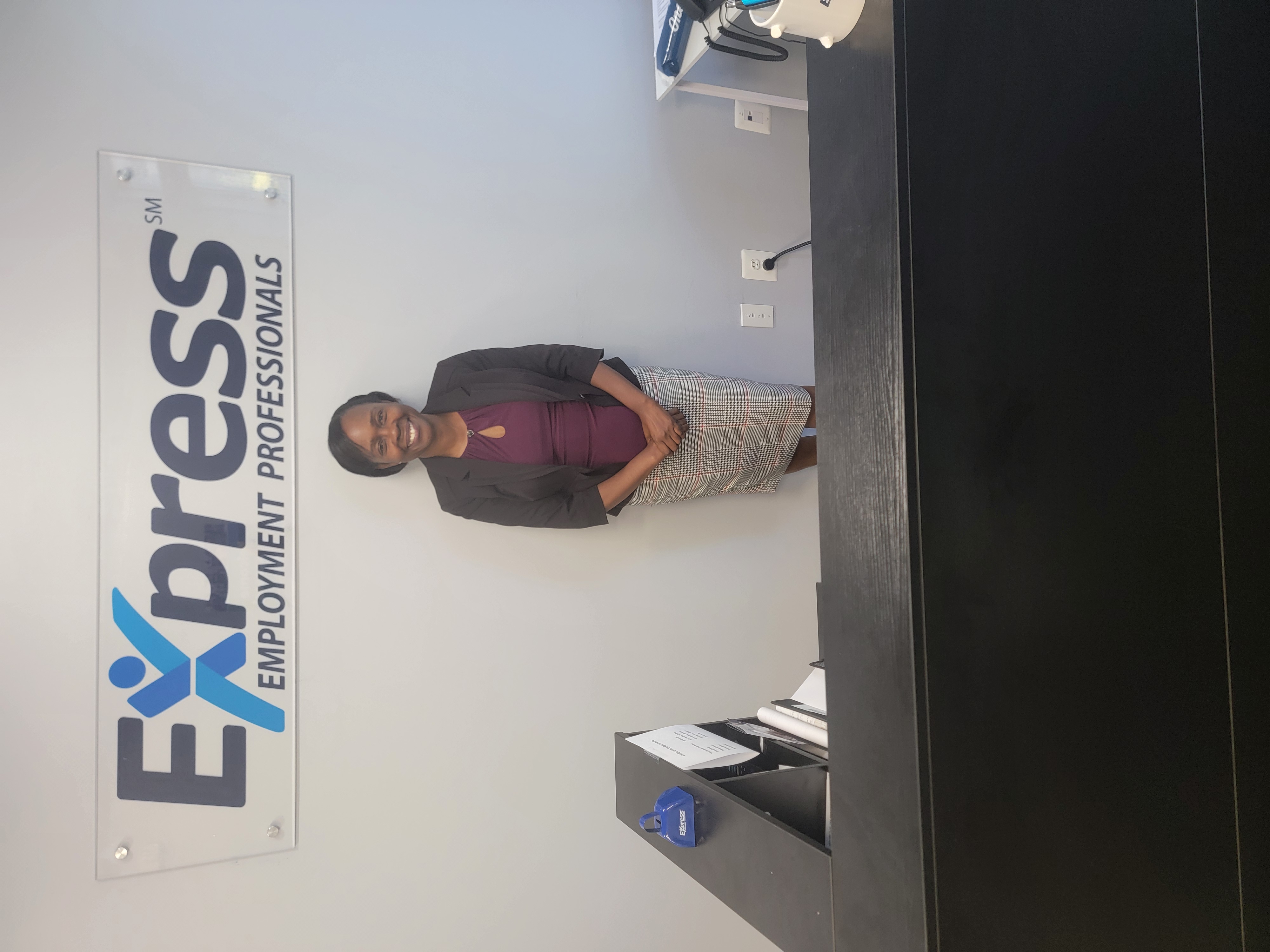
I retired from the Army on November 1, 2025, as a Colonel. Today, I am the owner of an Express Employment Professionals franchise in Stafford, Virginia, where I partner with employers to find talent for short term projects, permanent roles, or both. My own military experience also gives me an advantage especially when working with transitioning service members and veteran friendly employers.
Getting to that next chapter, however, was something I had been thinking about long before I hung up my uniform. I knew I wanted to build something of my own, so I spent years preparing for what would come after the Army.
Preparing for a Second Career
My military career began in 1993, when I enlisted in the Virginia Army National Guard while attending Virginia Tech. I later participated in the Reserve Officers’ Training Corps (ROTC) and the university’s Corps of Cadets, earning my commission in 1996. I started as an E-2 and eventually retired as a Colonel having served in roles spanning transportation, air defense, and the full spectrum of human resources including recruiting, talent management, and workforce development. These roles allowed me to grow, cultivate, and demonstrate my leadership skills.
The idea of preparing for life after the Army began much earlier than my retirement. About eight years into my career, a difficult leadership experience made me realize I could not assume I would serve as an Army Soldier my full career. I leaned in to my military training and developed what we called a PACE plan: Primary, Alternate, Contingency, and Emergency. In other words, what would I do if my first plan did not work, circumstances changed, or I suddenly had to leave?
I connected with a franchise broker and explored different concepts. I purchased a TSS Photography franchise. With the majority of the business taking place on weekends, it made it possible for me to continue serving. That experience showed me that entrepreneurship could be a viable second career.
When I began researching Express in 2024, I immediately saw a connection between my military experience and the business. I had spent much of my Army career developing skills that translated well into the staffing sector. Express gave me the opportunity to put those abilities to work in a completely different setting.
The Skills That Came With Me
One of the biggest lessons I have learned through this transition is that leaving the military does not mean leaving your skills behind. The challenge is learning how to translate them.
Veterans often have experience that does not immediately show up in the language of a civilian résumé. They have led teams, solved problems, trained people, operated under pressure, and adapted to changing circumstances. The question is how to communicate that experience in a way that makes sense to a civilian employer.
I understand that challenge because I have lived it from both sides. During my military career, I also worked on issues affecting service members preparing for civilian careers. I was involved in efforts to give transitioning service members greater flexibility to participate in opportunities in the geographic areas where they planned to relocate. Now, as a staffing business owner, I get to help people navigate that transition firsthand.
My military background helps me explain the terminology and experiences that can be difficult for someone who has never served to understand. This allows me to help employers recognize the skills and experience behind a military résumé and understand the value a veteran can bring to the workplace. It also allows me to coach my fellow service members how to translate their resumes into powerful representations of what they can do to positively impact an employer’s bottom line.
Finding Structure and Community in Franchising
There is another part of the transition that people do not always talk about: what happens when you lose the camaraderie.
The military provides a strong sense of belonging. You know your team, your mission, and the people you can call when you have a question or a problem. Leaving that environment can be difficult.
Franchising has given me a different kind of community. The business comes with established processes and standard operating procedures, something that feels familiar to someone who spent decades in the Army. If I have a question, I can turn to the franchisor for support. I can also learn from other franchisees who have faced similar challenges. That does not mean franchising eliminates the challenges of entrepreneurship. It means you are not necessarily facing them alone.
I have also experienced the difference between building an independent business and operating within a franchise system. With an independent startup, you are the trailblazer. You have to develop, test, and refine the processes yourself. With a franchise, there are established systems, support, and a network of other owners who have already learned lessons you can benefit from.
Today, I still approach my business with the mindset the Army taught me: identify the mission, determine what needs to happen to accomplish it, and then execute.
Some people who walk through our doors are looking for a career change. Others are transitioning out of the military. Many are facing significant financial challenges and simply need an opportunity to get back to work. A temporary or contract assignment can sometimes be the first step toward rebuilding confidence, strengthening a résumé, developing new skills, and finding a longer-term opportunity.
I knew when I left the Army that I wanted to build something of my own. After giving so much to the military, I wanted the next chapter to be something I was building for myself while still serving others. Franchising has allowed me to do that without leaving behind the lessons that made me successful in the Army. I have a mission. I have a team. I have a system. And best of all, I have a community.
The uniform may be different, but I am still doing what I have always done: leading people, solving problems, and finding a way to accomplish the mission.