

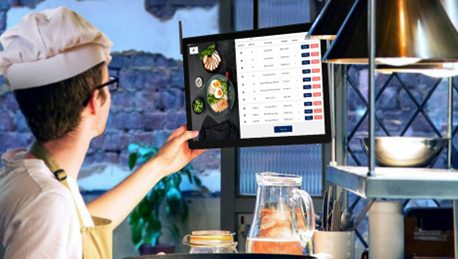
Success in franchising is propelled by speed, safety and consistency, but handwritten labels no longer satisfy the requirements of multi-unit operations. Digital labeling systems overcome challenges in inventory tracking and allergen control, providing a centralized, error-free method for handling food from receipt to service. Here are three key reasons leading franchises are making the switch.
1. Enhanced Food Safety and Compliance Across All Locations
Restaurant franchises cannot compromise on food safety, but ensuring uniform standards across numerous locations is difficult. Digital labeling systems streamline date monitoring, allergen detection, and rotation alerts. This removes the uncertainty that leads to expired ingredients or cross-contact.
For instance, when a prep chef tags a sauce container, the system automatically generates the precise discard time according to when it was opened or made. This eliminates dependence on unreliable manual techniques, such as unreadable handwriting or simple oversight.
Digital labeling also makes health inspections and audits easier. Franchise owners can validate compliance from a distance as the system records every label printed. If inspectors request holding times, reports are generated in seconds.
In product recalls, franchisees will be able to trace instantly which batches were used in which dishes and stores, maintaining a strong brand reputation and protecting people’s health. Accurate labeling ultimately reduces liability and builds customer loyalty.
2. Operationally Efficient and Reduces Waste
Labor and food waste are two of the highest costs in any restaurant. Digital labeling effectively addresses both. Writing labels by hand for each prep item, sauce, and opened package consumes valuable minutes each shift, adding up to hours of lost productivity across a franchise network.
Digital systems produce clear, consistent labels rapidly, enabling kitchen personnel to concentrate on cooking and plating. Integrating with sales data allows these systems to forecast demand, preventing overordering and food waste.
An essential tool in this efficiency is the cloud-based restaurant label maker. It enables managers to create, modify, and transmit templates to all locations from a unified dashboard. Seasonal offerings, ingredient modifications, and holding times can be adjusted instantly to ensure uniformity.
The same system monitors discarded items, uncovering waste trends that inform portion modifications, preparation timetables, and employee training. The outcome is more efficient kitchens, reduced waste, decreased wasted labor hours, and improved margins while maintaining quality.
3. Brand Consistency and Customer Trust in Every Bite
Customers go to a franchise expecting the same taste, quality, and safety regardless of location. The hidden cause of menu variability is inconsistent labeling. One location may serve a sauce past its prime, whereas another will discard it before it is ready to serve, creating flavor differences.
Digital labeling ensures all franchises follow the same shelf-life and rotation standards, so a burger or salad will taste the same no matter where it’s ordered. This consistency builds trust and turns first-time customers into loyal patrons.
Digital labeling also ensures greater transparency regarding allergic or dietary restrictions. The presence of standardized labels with allergen names and preparation dates reduces the risk of misunderstandings.
Kitchens can use labels created directly from recipe databases, reducing mistakes and preventing allergic reactions and expensive legal issues. Franchises with proper labeling gain reputations for care and professionalism.
Endnote
Leading chains use digital labeling to boost safety, efficiency, and consistency. These tools automate tracking, cut waste, and standardize processes. This protects customers and profits, setting a new industry standard for excellence.