


By Carlos White, Franchise Attorney, Founder of The Impactor, and the first Franchise Impactor Ambassador in the U.S.
The most successful franchises in the marketplace – like Taco Bell, Wingstop, 7-Eleven, Fast Signs, and Neighborly Brands – have proven strategies in place to ensure they’re successful on a large scale. For one thing, they each have strong brand recognition, with unified signage, marketing, and offerings across all their locations. Additionally, they’ve implemented standardized systems and processes that ensure consistency across their networks. Customers know they can go to any Fast Signs location for high-quality, professionally made signs, or get a Taco Bell chalupa that tastes exactly the same, regardless of location visited.
These well-known, highly respected brands also demonstrate the significant benefits of the franchising model. As these organizations have demonstrated, franchisors can:
- Secure new revenue streams
- Accelerate growth
- Enter new markets
- Expand brand visibility
- Increase customer acquisition and retention
- Have a substantial, positive impact on the franchisors, franchisees, and the U.S. economy overall
Not surprisingly, franchises are on the rise, as more entrepreneurs embrace the idea of flexible business ownership opportunities. Whether you’re looking to build and scale a franchise in the restaurant, home cleaning, hospitality, retail, fitness, or wellness space – or other sector – follow these steps to maximize your successes:
- Determine the feasibility. Analyze demographics, competition, and demand in the areas you’re considering. Ensure there’s a need for your concept – and that you’re not oversaturating a market that already has tremendous competition.
Is there enough demand to sustain your convenience store, restaurant concept, dog washing emporium, or gym start-up? Is there a need for your products and services – or have competitors captured the market share? In addition to a winning concept, do you have a solid, replicable infrastructure that can be implemented across multiple locations? Do you have a solid way to fund your franchise – which can cost between $15,000 to $100,000 to launch – and sufficient working capital to sustain the franchise system?
- Develop a franchise-specific plan. Just as you wouldn’t build a house without a blueprint, don’t jump into franchising without a detailed, franchise-specific business plan that takes into account the operational, financial, and marketing requirements to build and sustain the franchise system.
- Build a trustworthy team. First, work with franchise-specific experts, including franchise attorneys and financial advisors, who will help you understand – and conquer – franchising. These advisors can help you develop and implement effective market-based strategies for a profitable, sustainable franchise system. Secondly, align yourself with trustworthy, motivated, hardworking people – from the employees who manage the day-to-day operations to passionate franchisees who will represent your brand with integrity. Being selective about who you bring into the fold is essential to your brand’s strong reputation, profitability, and growth.
- Reduce risks and exposures. Due to the broad scope of federal and state franchise and distribution laws, many so-called licensing arrangements are actually illegal franchises. Having an illegal franchise without complying with federal and state franchise laws will subject the enterprise (and its owners and directors) to regulatory actions, penalties, and lawsuits. Having a franchise program that adheres to applicable franchise laws will help reduce adverse legal exposure, misrepresentation, and fraud claims.
- Create a scalable and uniform model. A scalable and uniform business model enables you to maintain consistency across the franchise network. Create business systems that can are easily replicated and standardized. Standardization ensures that all locations are aligned, using the same branding, messaging, logos, signage, etc. for unified experiences across the network. Develop and follow franchise operations manuals that standardize everything in your business – from customer service standards to employee training and quality control.
- Build a strong brand identity. Customers are more likely to trust – and visit – a familiar brand, even if it’s a local or regional franchise. A strong brand identity – and consistent, repeatable experiences – improve customer relationships, trust, loyalty, retention, and referrals.
- Position franchisees for success. Give your franchisees what they need to grow and thrive. Provide training, marketing, and networking opportunities – plus ongoing support – so your franchisees are equipped to accelerate profits and growth. Also, create a supportive, empowering, team-oriented company culture that’s embraced by all staff, upheld by all franchisees, and that permeates every location.
- Invest in technology. Innovative technology is vital to every company, so invest in connected, scalable tech solutions. Connected and scalable technologies enable better collaboration, communication, and networking across your network. Leverage tools that will optimize operations, standardize systems, centralize data, and provide a holistic view of Key Performance Indicators (KPIs) across the enterprise.
Building and scaling a franchise can be a great way to accelerate growth and brand recognition. As you embark on this endeavor – and as you grow – align with the right people that will help your business succeed. Importantly, work with franchise-specific experts who can guide you on this journey. Collaborate with people who will be more than just your cheerleaders – they’ll provide honest, valuable advice based on firsthand experience and industry trends. These experts can help you develop and implement the right strategies, mitigate risks, protect your assets, and create a sustainable, scalable franchise.
About Carlos White
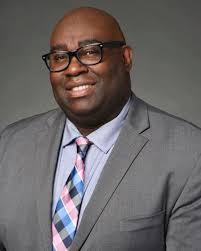
Carlos White, Founder of The Impactor, is a leading franchise attorney in Dallas and the first Franchise Impactor Ambassador in the U.S., appointed by Dallas Mayor Eric Johnson. Mayor Johnson also nominated White to the Workforce Solutions Board of Greater Dallas, which was recently approved by the Texas Workforce Commission.
White has been recognized four times by D Magazine as one of the city’s best lawyers. A graduate of the University of Pennsylvania’s Carey Law School, he has worked as a Partner at leading law firms and has experience working with top franchise concepts, including Wingstop, Pizza Hut, Dunkin Donuts, and Little Ceasar’s. For more information, please visit https://www.The-Impactor.com, set up a call with Carlos here, or email Carlos at [email protected].