

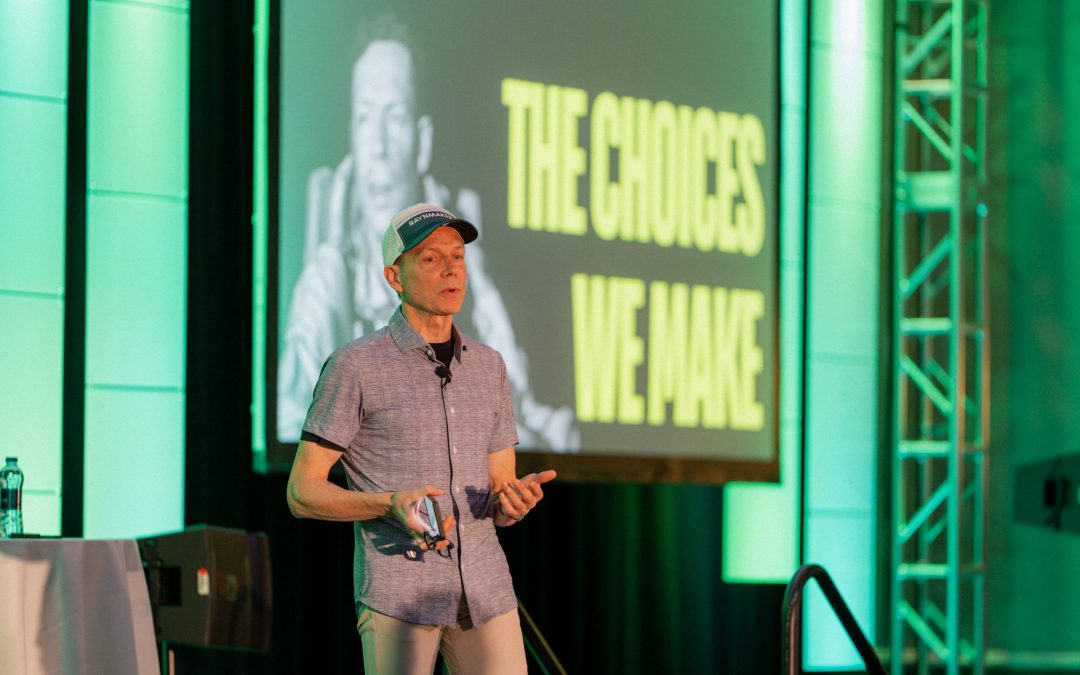
Joe Gagnon, CEO & Co-Founder, Raynmaker
Franchise sales have always depended on a simple but difficult balance: generating demand and responding to it quickly enough to convert. Today, AI is beginning to reshape both sides of that equation. For franchise brands, the opportunity is not just to automate tasks, but to respond faster, qualify leads more consistently, support customers across the buying journey, and create a more reliable sales experience across every location.
The Lead Response Gap Franchise Brands Still Face
There are three things franchise brands are often missing in the sales process, and they all start in the same place.
First, every lead tends to get the same amount of attention. There is little prioritization, inconsistent qualification, and insufficient time spent educating the prospect about what the offer actually is.
Second, franchise brands and operators invest heavily in generating inbound demand, but the follow-up does not always match the investment. A prospect makes a call, submits a form, or sends an email, and too often the response is delayed or inconsistent. No follow-up, no sale.
Third, when a prospect buys or doesn’t buy, many operators still lack the insight to explain why. They have the result without the reason. That makes it difficult to improve the process because they cannot clearly see what is broken in the first place.
That is where AI is beginning to change the equation. By helping franchise brands respond immediately, qualify leads consistently, and stay available for follow-up around the clock, AI is helping close the gap where so many sales opportunities are lost.
AI Is Changing the Customer Journey
Beyond franchise lead response, AI is also changing how brands handle customer engagement across the buying journey.
Franchise operators are starting to use voice agents to answer inbound calls, ask qualifying questions, and stay available for follow-up. There are many AI tools available now, but they are not created equal. Some are limited to transactional phone answering. But when done well, the entire experience is elevated. It becomes more consistent, more cost-effective than a traditional call center, and available around the clock.
A franchise location can offer a confident, on-brand conversation at 2 a.m. on a Saturday without paying a night shift to staff it. But the bigger shift is what these tools are for. They are not simply replacing humans on busy days. They are supporting the customer buying process during every hour the business is closed.
They are also capturing conversational data that helps operators better understand what is actually happening at the front door.
Why Voice Matters Again
The simplest reason voice and conversational AI matter is that we all know how to talk.
There is no training curve, no software to learn, and no app to download. Conversation is still the most natural form of human exchange, and voice remains the easiest way for a customer to ask a question, place an order, or follow up on a quote.
A customer with an urgent problem does not want to navigate a portal or fill out a complicated form and hope someone will respond later. They want immediate engagement from someone who sounds knowledgeable and available.
Voice is the only interface that meets customers where they already are.
What Separates Brands Successfully Using AI
The franchise brands seeing the strongest results from AI are not necessarily the ones with the biggest budgets or the most technical sophistication. It is a willingness-to-start issue.
The operators piloting, testing, learning, and adjusting are getting further ahead every month. Those waiting for AI to be perfect are wasting time in a decision cycle built for software that did not learn.
An AI-native platform improves with every conversation. The franchise brand that started six months ago is not simply six months ahead. It is six months of conversational data, refinement, and operational learning ahead.
That gap compounds over time.
The Results Operators Are Starting to See
The benefits tend to show up in three areas.
First, the economics improve. Every lead gets answered, every qualified prospect gets a follow-up, and every conversation has a better chance to convert. The marketing dollar that paid for the lead finally has a consistent opportunity to produce revenue.
Second, the customer experience improves. The catering customer who calls at 8 p.m. does not get voicemail. The homeowner with a broken HVAC system does not wait until Tuesday for a callback.
Third, operators gain conversational intelligence. For the first time, franchise brands can better understand why prospects bought, why they did not, which objections come up most often, and where friction exists in the sales process.
The sales front door becomes one of the most valuable sources of customer insight the brand has.
The Future of Franchise Sales
Selling has always depended on human availability. The franchise that answered the phone made the sale. The one who missed the call often did not.
That has shaped franchise operations for decades, and it is finally beginning to change.
When selling no longer depends entirely on who is available in the moment, unit economics improve because the variance starts to disappear. The brands that can deliver a consistent, intelligent sales experience across every location and every shift will increasingly separate themselves from those that cannot.
AI will not eliminate the need for people. But it can reduce the gaps created by inconsistent follow-up, missed calls, and limited availability.
Most conversations with franchise leadership today are still about whether to start. In the next few years, the conversation will turn to why they did not start sooner.
About the Author

Joe Gagnon is the CEO and Co-Founder of Raynmaker, an AI-native autonomous sales platform helping franchise and multi-location businesses manage customer conversations, lead response, scheduling, and sales execution through conversational AI.