

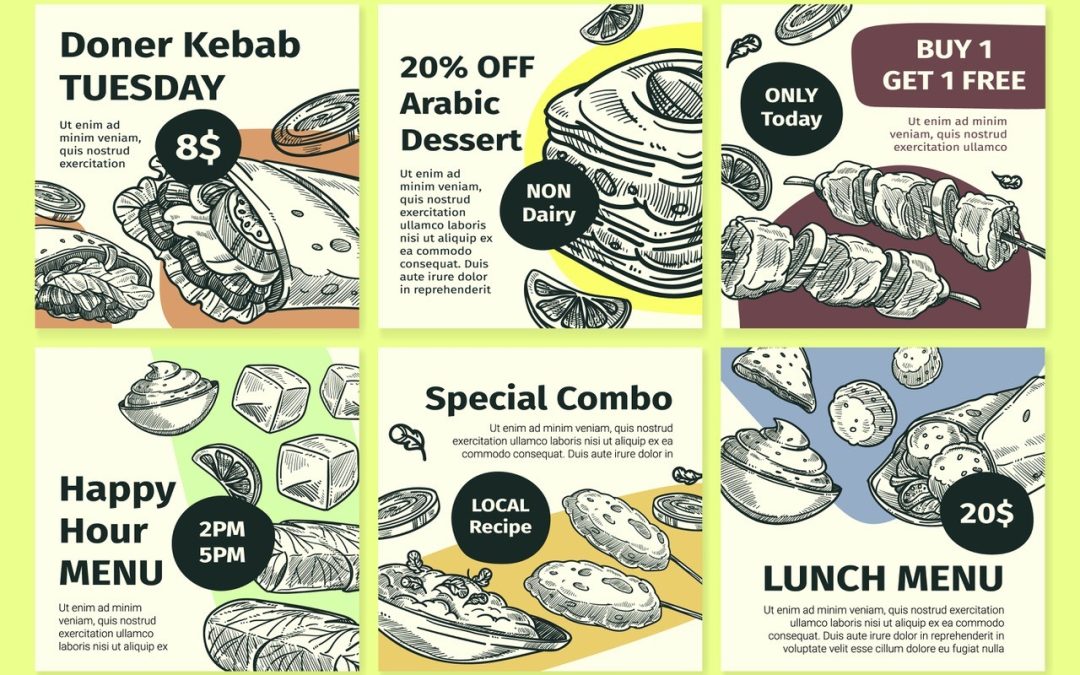
Value is back in focus across the restaurant industry. Since mid-2024, its resurgence has accelerated as consumers grow more selective, and more divided, in how they spend.
From $5 bundled meals and $1 any size drinks to revived “extra value” offerings, restaurant brands across quick-service and casual dining continue to lean into affordability. A value menu, at its core, is a set of temporarily discounted priced items designed to create a strong sense of perceived value that gives customers the feeling they’re getting more for less.
When deployed effectively, these items can attract new customers, increase frequency from existing customers, and encourage incremental spending. But they’re also a strategic lever, one that operators must use carefully given the pressure they can place on margins. Today, as value menus proliferate, that balance is becoming increasingly difficult to manage.
A More Divided Consumer Backdrop
In the years immediately following the pandemic, many consumers benefited from elevated disposable income, supported by stimulus programs, reduced expenses, and excess savings. That environment gave restaurants significant pricing power, allowing them to raise prices aggressively and widen the gap between dining out and eating at home.
That dynamic has shifted. As the stimulus drove record inflation, wages will take years to catch up, if ever. As a result, today’s environment is increasingly defined by a K-shaped economy, where higher-income consumers remain resilient while lower-income consumers face more persistent financial pressure.
This divide is already visible across the restaurant landscape. Traffic declines have been most pronounced among lower-income consumers, particularly within quick-service and fast-casual segments, with 44% of lower-income diners reporting they eat away from home less often than in 2024. At the same time, casual dining and higher-end concepts have held up comparatively well.
For lower-income households, value perception is becoming increasingly important. Stimulus driven inflation is largely permanent, and wages have yet to catch up, making affordability a primary driver of decision-making. Lower-priced options, when structured carefully and marketed effectively, can reinforce customer loyalty and attract new traffic, giving brands an opportunity to capture a greater share of what is, for many consumers, a shrinking wallet.
Value as a Competitive Reset
In response, and due to competitive necessity, many brands have turned back to value. It’s now driving more direct competition across restaurant categories, with quick-service and casual dining brands increasingly meeting consumers at the same price points.
McDonald’s, for example, recently expanded its value lineup with a broader mix of bundled meals and nearly a dozen items priced at $3 or less. Chili’s has leaned into its “3 For Me” platform, offering guests an entrée, fries, bottomless chips and salsa, and a fountain drink for $10.99.
That strategy is delivering results. Chili’s posted 24% sales growth without adding new locations, underscoring how powerful a well-executed value proposition can be in the current environment. Applebee’s has seen a similar benefit from its “Two-for-$25” promotion, helping reverse a multi-year stretch of declining sales.
For brands that can support it, this is a critical moment to reinforce their value proposition to both new and existing customers. As household budgets come under pressure, operators have an opportunity to make a stronger case for why they deserve a share of that spending.
But not every brand is positioned to compete this way. Delivering compelling value at lower price points requires flexibility in both menu design and margin structure. When those conditions are in place, however, value-oriented strategies can be highly effective tools for driving traffic and maintaining relevance in a tighter economic environment.
The Margin Squeeze Behind the Menu
While value menus can be effective at driving traffic, they come with a fundamental trade-off.
There’s often a natural tension between franchisors and franchisees when balancing top-line growth and operating margins. Franchisors typically earn a percentage of revenue, making them more focused on driving sales, while franchisees are responsible for managing day-to-day profitability at the unit level. Value-oriented promotions can amplify this dynamic.
Take $1 soft drink promotions, for example. These offers are highly effective at attracting customers, but beverages typically carry higher margins than food. Discounting them, particularly through “any size” formats, can have a disproportionate impact on profitability. What drives traffic at the system level does not always translate to sustainable economics at the store level.
As a result, value menus are rarely permanent. They tend to rotate over time, allowing operators to balance traffic generation with margin protection. In some cases, franchisees may also push for regional adjustments, particularly in markets with higher operating costs or different consumer dynamics.
Where Operators Are Turning Next
While value will remain a critical lever, it isn’t the only one brands can rely on. Many are turning to technology and operational innovation, including AI, to offset cost pressures and improve efficiency. According to a TD survey of 253 restaurant and franchise professionals, 40% identified labor efficiency, training, and scheduling as the top area where AI can deliver meaningful improvements, followed by consumer data analysis (34%) and customer experience and personalization (28%).
Maintaining a clear view of financial performance is also essential. Strong cash flow in the short term can obscure underlying trends, making consistent analysis of profit-and-loss statements critical for identifying shifts in margins, expense structures, and seasonality. In an environment where every dollar matters, disciplined financial management is as important as any pricing strategy.
Getting Value Right
Value is a deceptively complex concept. It can mean the lowest price on the menu or a premium product that justifies its cost through quality and experience. For restaurant operators, the challenge isn’t simply to lower prices, but to create a compelling equation between price, product, and perception.
The resurgence of value menus reflects broader industry shifts, driven by a more divided consumer base and tighter economic conditions. Despite these headwinds, operators remain optimistic, with 53% citing value menus and mobile ordering as top growth drivers for 2026.
The past several years have underscored the resilience of restaurant operators. Those who can strike the right balance between affordability and profitability, while continuing to invest in innovation and operational discipline, will be best positioned to navigate what comes next and build lasting momentum in a rapidly evolving marketplace.

Mark Wasilefsky is the Head of the Restaurant Franchise Finance Group at TD, where he leads the bank’s efforts to support growth, acquisitions, and innovation in the restaurant and franchise sectors. He brings over two decades of experience in investment and commercial banking, with a deep specialization in franchise finance. Before joining TD, he was senior vice president at RBS Greenwich Capital. Mark holds an MBA in Finance from Western New England University and a BA in economics from the University of Connecticut.