

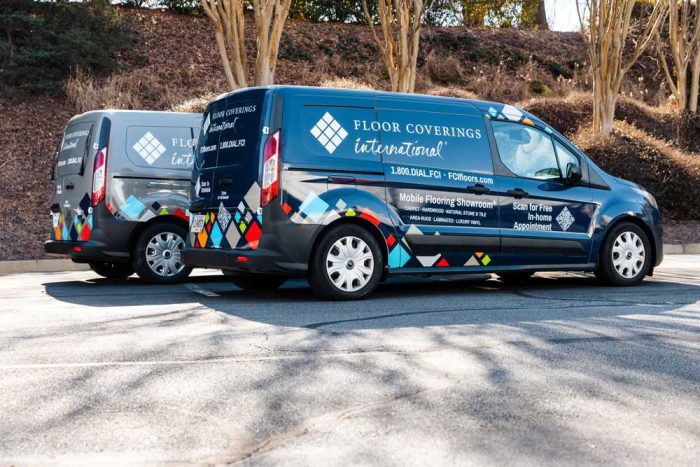
Contributed by Grant Carter, Division Vice President of Startup at Floor Coverings International
The home services industry has entered a new phase of growth. As demand continues to rise across commercial and residential sectors, franchisors continue to prioritize growth in an effort to capture market share and meet evolving expectations of both consumers and franchisees. But as brands scale, competition heightens, and franchisee evaluations become more critical.
Today’s franchise owners are seeking brands that they can parter with to sustain long-term growth, navigate operational complexities, and build adaptable systems. In response, a clear white space has gained exposure as a major differentiator across home services franchising: continuous, hands-on training.
Traditionally, many franchise systems approached education primarily as a one-time onboarding event to get owners open and operational as quickly as possible. While foundational training remains crucial in opening businesses, the reality is that continuous education is necessary to keep those businesses operating.
The brands that recognize this shift and reinvest in their teams will ultimately build long-term sustainability. In building systems around ongoing coaching, immersive field experience, and network development, these brands are building more resilient franchise networks. At Floor Coverings International, we pride ourselves on our robust training program, handing franchisees a clear roadmap to long-term operations.
The Limitations to Traditional Training Models
The home services industry is inherently operational. From managing teams and coordinating consultations to overseeing the customer experience and driving local marketing, franchisees are simultaneously responsible for ensuring multiple systems are operating smoothly and cohesively. Yet historically, most training is structured through static classroom instruction, and while there is value in these resources, they cannot comprehensively prepare owners for the realities of running a business day-to-day.
Franchisees benefit most when they have an opportunity to see firsthand how systems should operate, apply concepts in real-time, practical settings, and receive hands-on coaching to navigate challenges. Experiential learning through ride-alongs, shadowing opportunities, mentors, and live simulations allow franchisees to develop skills faster while minimizing operational error and reinforcing consistency systemwide. Rather than learning through trial and error after opening, franchisees get a head start, opening with more confidence and operational readiness.
Building Well-Rounded Training Programs to Strengthen Franchisee Autonomy
Many franchisees enter the home services industry without prior experience in the space, but many skills directly translate in creating a successful franchisee. What many lack in past industry experience, they often make up for in leadership ability, strong communication skills, and passion.
A key aspect of training is creating an environment where franchisees can build operational confidence to lead their business effectively. Well-rounded training programs that go beyond teaching technical processes set all franchisees up for success, in allowing them to strengthen their skills while acquiring new ones.

Continuous Coaching to Create Long-Term Stability
The biggest misconception in franchise training is that it ends once a location opens. The key to sustainable franchise growth is continuous development. Market conditions, consumer behavior, and technology are constantly evolving, forcing franchisors and operators to adapt to new expectations. Building ongoing support structures aids franchisees in that evolution, so they can grow alongside the brand as a whole.
The strongest brands are the ones that treat coaching as a long-term partnership rather than an initial phase of launch.
Regular operational check-ins, transparent communication on brand standards and expectations, advanced education programs, and leadership development initiatives hold franchisees accountable for their operations, as well as motivate them to continue to grow. As operators mature, personalized coaching allows them to expand even further, without reaching a ceiling for growth.
Continuous coaching is crucial in improving franchisee retention and overall system health. When owners are constantly engaging with their brands, they are better equipped to overcome unprecedented obstacles. In the home services space where brand reputation hangs on consistency, that alignment is everything.
Leveraging Top Performers to Scale the System
Peer-led learning has taken on a larger role in franchise training. Top-performing franchisees are becoming active participants in the development of the brand and new owners, adding credibility to brands and establishing a collaborative culture systemwide.
New franchisees are given the opportunity to learn firsthand from operators who have been in their shoes and have faced similar day-to-day challenges. Rather than operating independently, franchisees are joining a community that is focused on shared success. As the system grows, leveraging experienced operators allows franchisors to expand their support infrastructure, aiding in efficient scaling.
Training as a Long-Term Growth Strategy
As the home services sector continues to expand, the long-term differentiator between franchisors will ultimately come down to how effectively brands set franchisees up for long-term sustainability. The systems that invest in immersive learning, ongoing coaching, and collaborative development are positioning themselves to build stronger, more consistent operations and customer experiences.