

In an industry often driven by speed and competition, Penn Station East Coast Subs has quietly built one of the most enduring and respected brands in fast-casual dining. Born in the heartland of America, the Midwest-based concept has spent 40 years proving that quality food, thoughtful leadership, and genuine care for people can fuel long-term success. With more than 320 locations and a growing presence across the country, Penn Station’s momentum today is the result of steady, intentional decisions rooted in values that have guided the brand since day one.
Penn Station is, at its core, a people-first brand. While its product is food, Penn Station’s underlying mission is to serve guests high-quality subs and deliver a high-quality franchise opportunity to its owners. This approach has proven to be a recipe for success.
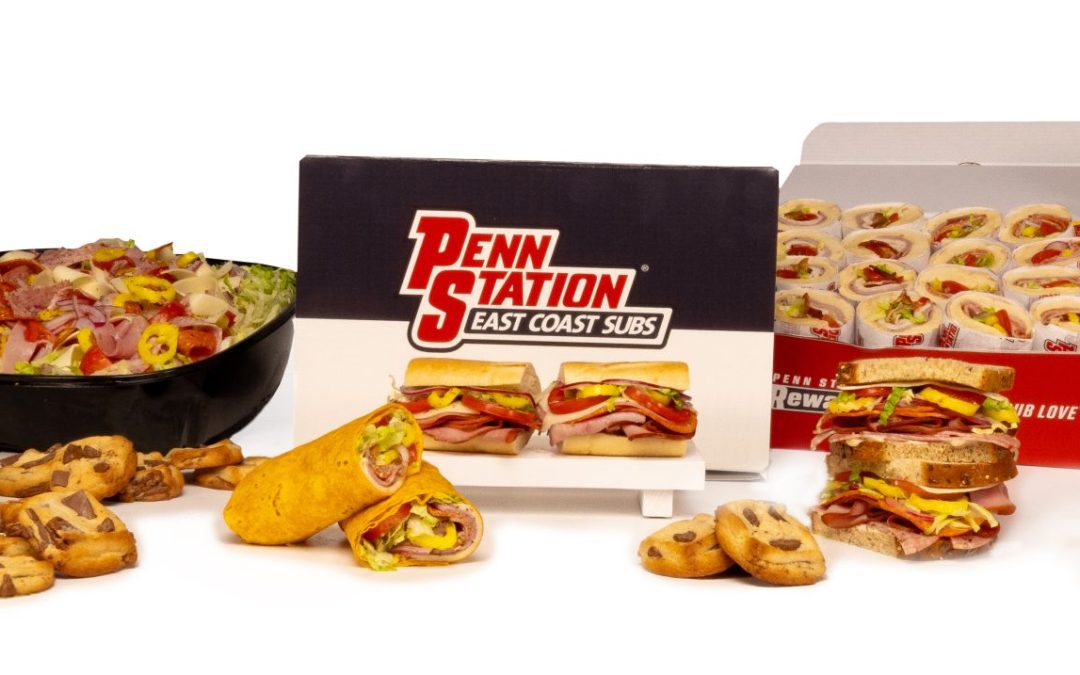
Award-winning, grilled, made-to-order subs define the Penn Station experience. The menu is simple by design, but execution is anything but ordinary. Each sub is crafted hot off the grill and built to order, giving guests the flexibility to enjoy their favorite flavors on classic sub bread, as a wrap, or even as a salad. That deep level of customization allows Penn Station to serve a wide range of preferences without overcomplicating the menu.
What truly sets the brand apart, however, is its unwavering commitment to freshness and craveability. For example, the fresh cut fries are prepared in-house every day using Idaho potatoes, delivering a hot, satisfying side that elevates the entire meal. In a category where many sandwich shops rely on prepackaged chips, Penn Station’s fries redefine what a sandwich pairing can be.
This winning combination of hot grilled subs and fresh fries naturally expands the brand beyond a traditional lunchtime occasion, unlocking both lunch and dinner dayparts and making it an appealing option for families and guests seeking a more complete, craveable meal.
That difference has meaningful implications for the business. A grilled sub paired with fresh fries opens the door to both lunch and dinner occasions, making Penn Station a destination for families as well as individuals. Add in hand-squeezed lemonade, kids’ meals, value meals, and catering options, and the brand becomes an easy choice for group gatherings, weeknight dinners, and special occasions. This broad appeal is a key reason Penn Station franchise owners continue to invest in the system. The food is craveable, consistent, and versatile, and it keeps guests coming back.
While the product is the draw, the culture is what sustains the brand. Penn Station’s people are known for being warm, welcoming, and deeply committed to hospitality. That spirit is not accidental. It is reinforced through leadership that understands the business from the ground up. Many franchise owners began their journey with Penn Station as teenagers working their first summer jobs, learning how to make sandwiches and serve guests. Years later, they returned to the brand as owners, drawn back by positive experiences and a belief in what the concept represents.
That same story is reflected at the highest levels of leadership. The brand’s president, Lance Vaught, began as a college intern and worked every role in the restaurant before stepping into the top position. The senior vice president of sales and franchise development, Don Champion previously operated franchises himself, giving him firsthand insight into the challenges and opportunities owners face. The chief operating officer, Craig Dunaway, has owned 17 franchises, bringing practical, operator-driven perspective to every decision. Jane McPherson, the senior vice president of marketing has spent her career in franchise marketing within the sandwich space, strengthening the brand’s ability to communicate clearly and effectively with both guests and franchise partners.
This depth of experience creates alignment. Decisions are made with an understanding of daily operations, long-term growth, and what truly drives unit-level success. Franchisees feel heard, supported, and understood, which strengthens trust across the system and contributes to strong returns on investment.
A key contributor to Penn Station’s recent growth has been its Managing Owner Program, which supports expansion while maintaining operational excellence. The model pairs multi-unit owners with managing partners who hold meaningful ownership stakes and oversee day-to-day restaurant operations. This structure creates shared accountability, allowing the business to scale responsibly without losing focus on execution. It also creates leadership pathways for individuals who want to grow within the brand, reinforcing Penn Station’s commitment to developing talent from within.
Beyond operations and growth, Penn Station has long demonstrated that business success and social responsibility can coexist. For decades, the brand has supported Deals for Down Syndrome, an initiative that began long before purpose-driven business became a widespread trend. The program reflects Penn Station’s belief in giving back consistently and authentically, strengthening community ties and reinforcing the values that define the brand. Since its inception, Penn Station has raised over two-million dollars to support families with Down Syndrome in communities where they have restaurants.

Penn Station’s growth today is happening against a backdrop of meaningful industry change. Consumer preferences have shifted, with fast casual emerging as one of the strongest segments in the restaurant space. Case in point, the addition of the brand’s new 9-grain sandwiches as a result of guests request. Guests want quality food delivered quickly and conveniently, and Penn Station has responded by evolving thoughtfully. Takeout now accounts for a significant portion of sales, and the brand continues to invest in a high-tech app, digital ordering, loyalty programs, and limited-time offerings that keep the experience fresh without compromising quality.
The company’s growth strategy is ambitious yet disciplined. Penn Station plans to double in size over the next five years, expanding from approximately 320 locations to 650. This growth is concentrated within a defined geographic radius in target cities like Columbus, Pittsburgh, Detroit, Nashville, Richmond–500 viable locations, supported by internal benchmarks designed to ensure sustainable expansion.
Thus far, much of this growth has been driven by existing franchise owners who are choosing to open additional locations. That reinvestment speaks volumes about confidence in the model and the brand’s unit economics. Before accelerating expansion, Penn Station strengthened its internal infrastructure, investing in real estate, marketing, development, finance, and operations to ensure the support systems are in place to help new and existing owners succeed.
That focus on people is reinforced through Penn Path, the brand’s award-winning proprietary training and development platform. Designed to support everyone from frontline employees to corporate teams, Penn Path streamlines onboarding, training, and ongoing development through an interactive, digital first experience. The platform uses gamification, real time updates, and modular learning to accommodate different learning styles while keeping teams engaged and informed.
Unlike outsourced systems, Penn Path is fully managed in house, allowing the brand to adapt quickly to franchisee needs without passing additional costs down the system. The results have been measurable, with increases in employee engagement, franchisee participation in digital training, and overall learning hours. More importantly, the platform connects training directly to business performance, allowing the brand to evaluate the impact on profitability, sales, cost control, and guest feedback.
Perhaps most notably, Penn Station has managed to grow without losing its family feel. After nearly four decades, the brand continues to balance tradition with innovation, rolling out new offerings, embracing technology, and staying relevant while protecting the qualities that made it successful in the first place. It is a brand built on trust, craveable food, and people who care deeply about serving others well.
Four decades after opening its first restaurant, Penn Station East Coast Subs stands as a model of what intentional growth can achieve. By investing in people, maintaining operational discipline, and staying true to its values, the brand has created a franchise system built not just to grow, but to last. As Penn Station looks ahead, its success will continue to be defined not by how fast it expands, but by how well it supports those who grow alongside it. Penn Station is not just growing. It is growing the right way.