

Speak with any senior care franchise owner today, and you’ll hear the same challenge repeated: it’s now more difficult than ever to hire and retain quality caregivers. Demand is increasing as more Americans choose to age in place, but the pool of willing workers isn’t growing as quickly. Meanwhile, wages and other operating costs are rising. It’s a challenging situation, and franchise leaders across many industries are feeling the pressure.
At A Place At Home, we decided a few years ago that we would not treat caregivers as a short-term fix for a long-term problem. For our brand to grow, our caregivers need to see a future with us, not just a job.
A Caregiver-First Operating Model
In 2021, we launched a system-wide initiative called “Elevate Your Team.” The idea was simple but not easy: build a structure that treats the caregiver workforce as our most important asset and then coach owners to lead accordingly.
We introduced tools such as our CAREer Ladder, CARE ambassador positioning, mentorship and upskilling frameworks, recognition kits, and coaching based on caregiver feedback from Activated Insights. The aim was to provide franchise owners with a practical playbook for turning good intentions into daily habits.
Since that launch, our franchise system has experienced a nearly 18% drop in overall turnover. In a post-COVID labor market where many providers saw turnover increase, that change is significant. More importantly, we understand what happens when individual owners fully adopt the approach.
What It Looks Like in the Field
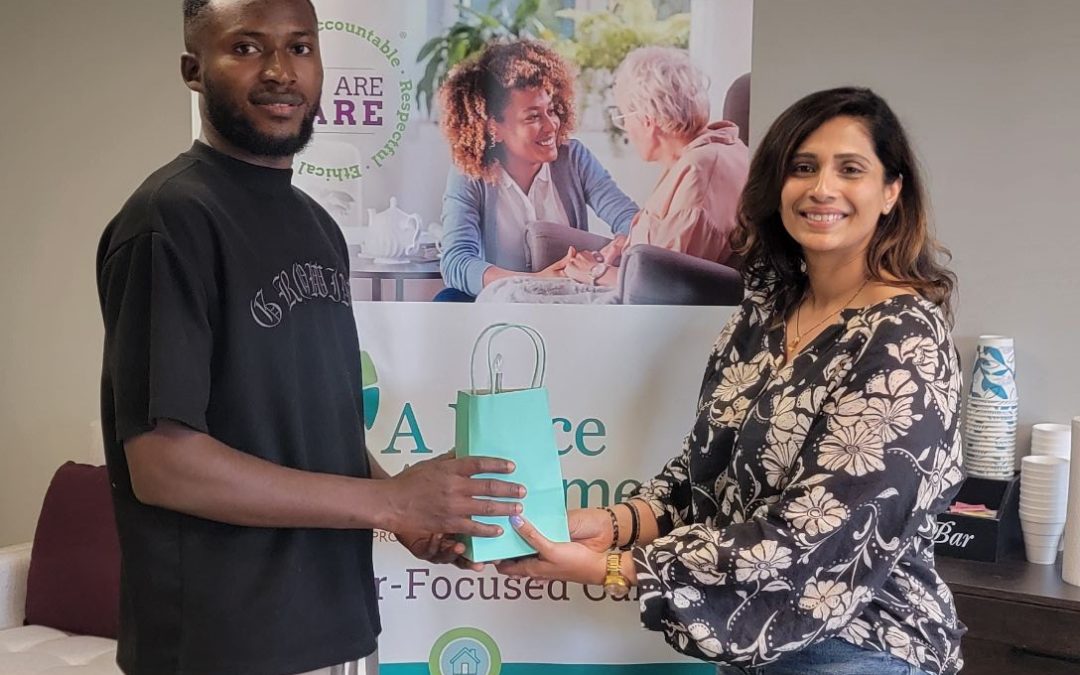
Multi-territory owner Natalie Watts in Little Rock, Arkansas, is a good example. She moved fully into a caregiver-first mindset, built internal career pathways, and implemented an intentional recognition cadence. She reduced caregiver turnover by more than 45% over two years, and satisfaction scores climbed year over year. She keeps a small support fund for caregivers facing real-life needs such as groceries or gas. Natalie believes recognition should be relational, not transactional. Reach out to caregivers to talk, she says, not just when something is needed.
Owner Jerome Philips in the Portland metro leaned into mentorship and development early. He invested in his office team, set clear expectations for service, and used our CAREer Ladder as more than a diagram. Since 2023, his caregiver turnover has dropped more than nineteen percent and satisfaction growth has been among the strongest in the system. When your field team is more stable, everything from scheduling to client satisfaction gets better.
My favorite story might be Aisha’s. Her employers, Charletta and Larry in Lafayette, Louisiana, identified her as a strong caregiver, helped her pursue CNA approval, and then promoted her into a dual role as Care Coordinator and Lead Caregiver. Now she is helping them launch our Bridge Care Program, a fractional care model. That is what reinvention looks like at the individual level: a caregiver who might have left the industry now sees a career.
We see similar patterns with owners like Fatema Kapasi in Dublin, Ohio who combines strong training with promotions into office roles, and with Rick and Kris Perkins in Omaha, Nebraska, who aim for 25 proactive caregiver touchpoints a week. Their most tenured caregiver has been with them for more than 11 years; the average tenure is nearly three years; and turnover dropped by more than 18% after they boosted their recognition habits. Many caregivers tell them, “You may not be the highest paying agency, but you are the most supportive.” That is a powerful differentiator in a crowded market.
Where Technology Fits In
Technology plays a quiet but important role in all of this. We use smarter scheduling tools to provide caregivers with more predictable hours and fewer last-minute changes. That stability has a direct impact on work-life balance and burnout.
AI supports documentation by helping owners and key staff organize caregiver notes, check for missing details, and meet payer requirements without drowning in paperwork. Our training is moving toward shorter, mobile-friendly lessons that caregivers can complete between visits. Simulation-style learning will play a bigger role over time, giving caregivers a safe way to practice real-world scenarios.
None of this replaces human connection. It simply removes friction so caregivers can focus on the people in front of them. For a service franchise, the true potential of technology is to make your best people more available, not less.
Culture as a Business Strategy
For franchise systems, the lesson is that workforce reinvention cannot be a side project. It must be at the core of your operating model. Our culture is rooted in compassion, accountability, respect, and ethics, and that has to show up for caregivers first if we want them to show up for clients.
When we realigned the brand with that truth, several things shifted. Owners became more intentional in their leadership. Hiring practices improved. Schedules became more consistent. Retention increased.
Data confirmed that behavior. Every franchise participates in caregiver and client satisfaction surveys, allowing owners to track progress, compare it to benchmarks, and make quick adjustments. When leaders see that recognition, mentorship, and career pathways influence real KPIs, they become more engaged.
Lessons for Other Franchise Systems
You don’t have to be in senior care to experience workforce pressure. Any service-based franchise relying on frontline talent faces similar challenges. A few takeaways from our journey:
- Retention is a growth strategy. You cannot market your way out of constant turnover.
- Career pathways matter. Even modest advancement opportunities can change how people think about staying.
- Recognition needs structure. Casual appreciation is nice; consistent, visible recognition is powerful.
- Tech should support people. Use tools to reduce low-value tasks so your team can do more of what they do best.
We are continuing to expand tools that support both caregivers and clients. Our CareConnect pilot, powered by Uniper, is one example. It provides clients with greater connection and engagement while offering caregivers another resource in the home. We plan to scale that offering next year as we refine the model with our test group.
Reinventing the caregiver workforce is not about chasing the latest trend. It is about doing the daily work of building a place where people want to stay and grow. For us, that has meant pairing clear career paths and recognition with smart technology and consistent coaching.
For other service-based franchises, the details might differ, but the core idea remains the same. If you want a strong brand, start by treating your frontline team as long-term partners instead of temporary workers. The rest of the business will follow.

By Jerod Evanich, Co-Founder and President, A Place At Home