

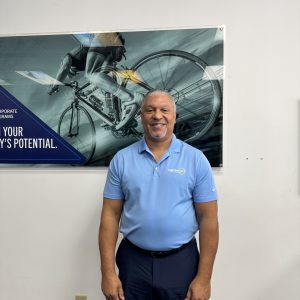
Ken Maynor, Stretch Zone franchisee, shares insights on the realities of franchise ownership, scaling operations, and navigating today’s business climate.
- One of the biggest misconceptions in franchising is the idea that ownership is “passive.” Why do you think that myth persists?
- I think the idea of “passive franchising” exists because people often hear success stories without seeing everything happening behind the scenes. They hear about franchisees building wealth, owning multiple locations, or stepping away from day-to-day operations over time, and they assume that’s how the business works from the start.
- In reality, most successful franchise systems are built through years of active involvement, operational discipline, and leadership development. Especially in service-based businesses, owners play a critical role in setting expectations, building culture, developing teams, and maintaining consistency across locations.
- Franchising can certainly create flexibility and long-term opportunity, but there’s a big difference between building systems that eventually support scale and assuming a business will simply run itself.
- I think many new franchisees underestimate how much leadership is required in the early stages. You’re constantly involved in recruiting, coaching managers, reviewing performance, improving customer experience, and solving unexpected challenges. Those responsibilities don’t disappear just because you own a franchise.
- What do new franchisees often underestimate when entering the business?
- One of the biggest things people underestimate is how important people management is. A lot of prospective franchisees focus primarily on financial projections and growth potential, which are obviously important, but operationally, the success of a business often comes down to leadership and team development.
- In service businesses especially, the customer experience depends heavily on the people representing the brand every day. That means owners have to stay engaged in recruiting, training, communication, accountability, and employee development.
- Another thing many franchisees underestimate is how quickly complexity increases as the business grows. Running one location is very different from managing multiple units. As you expand, communication challenges increase, staffing becomes more demanding, and operational consistency becomes much harder to maintain unless you have strong systems in place. That’s why I always tell prospective franchisees to spend time understanding the operational realities of the business, not just the financial upside.
- How do the operational demands change when scaling from one unit to multiple locations?
- Scaling changes the entire structure of the business. What works for one location often starts to break down when you add more units unless you intentionally build stronger systems around communication, accountability, hiring, and training. For multi-unit operators, leadership development becomes one of the most important priorities because you can’t physically be everywhere at once. You have to train strong managers who can uphold the standards and culture of the business in your absence – that takes time and intentional investment.
- One of the biggest lessons I’ve learned is that recruiting never really stops. Staffing remains one of the most challenging aspects of any service-based business because the customer experience is directly tied to the quality and consistency of your team.
- In today’s labor market, that challenge is even more significant. Competition for talent is high, and employee expectations continue to evolve. Franchisees who want to scale successfully need to create environments where people feel supported, valued, and motivated to grow.
- As you expand, your role also changes. Early on, owners tend to be involved in almost everything operationally. Over time, the focus shifts more toward leadership development, strategic planning, and building infrastructure that can support long-term growth.
- How important is franchisor support when growing a multi-unit portfolio?
- Franchisor support is incredibly important, especially for franchisees looking to scale. When I opened my first Stretch Zone location, the senior management team provided valuable operational guidance throughout the process. Having access to experienced leadership, established systems, and operational support helps us, the franchisees, avoid a lot of common mistakes.
- Over the last couple of years, we’ve also seen additional leadership and operational improvements across the system that have helped improve execution and overall sales performance. That said, franchisor support can only take you so far. At the local level, franchisees still have to execute.
- Strong systems and brand support create a foundation, but owner leadership is ultimately what determines long-term success. The most successful operators are the ones who stay engaged, continue learning, and adapt quickly when challenges arise.
- What economic challenges should franchisees be preparing for right now?
- Economic uncertainty impacts almost every part of the business: Consumer behavior changes during uncertain economic periods, customers become more selective with discretionary spending, operating costs rise, and hiring becomes more competitive. Franchisees who assume growth will always come easily can find themselves unprepared when market conditions tighten -that’s why operational discipline becomes so important.
- The franchisees who perform best during challenging periods are usually the ones who stay focused on the fundamentals. That includes delivering consistent customer experiences, managing expenses carefully, developing strong managers, investing in customer retention, and maintaining flexibility as market conditions evolve.
- Community relationships also become increasingly important during uncertain periods. Businesses that stay connected to their local markets and continue delivering value tend to build stronger long-term customer loyalty.
- You also have to be realistic about growth – expansion is exciting, but scaling too aggressively without the right infrastructure, staffing, or financial preparation can create long-term operational strain. In my opinion, sustainable growth is usually more important than rapid growth.
- What advice would you give someone considering multi-unit franchise ownership?
- I would encourage anyone considering franchise ownership to spend time evaluating more than just the financial opportunity. You need to understand whether you’re prepared for the operational realities of leading a business and developing people. Franchising can be incredibly rewarding, but it requires consistent involvement, adaptability, and long-term commitment.
- I always encourage prospective owners to ask themselves a few important questions:
- Am I prepared to lead and develop people?
- Do I understand the operational demands of this business?
- Does this concept align with my interests and strengths?
- Do the local demographics support sustainable growth?
- Am I financially prepared for challenges as well as opportunities?
- The franchisees who succeed long term are usually the ones who stay engaged, remain coachable, and continue investing in both their people and their operations. At the end of the day, franchising is not passive. It’s a business that rewards operators who are willing to lead consistently, build strong teams, and stay disciplined through both growth periods and economic challenges.
Ken Maynor