

By Lisa Rossmann, Chief Corporate Spas & Innovation Officer, Hand & Stone Massage and Facial Spa
There’s a shift in how consumers think about their skin, and it’s bigger than a trend.
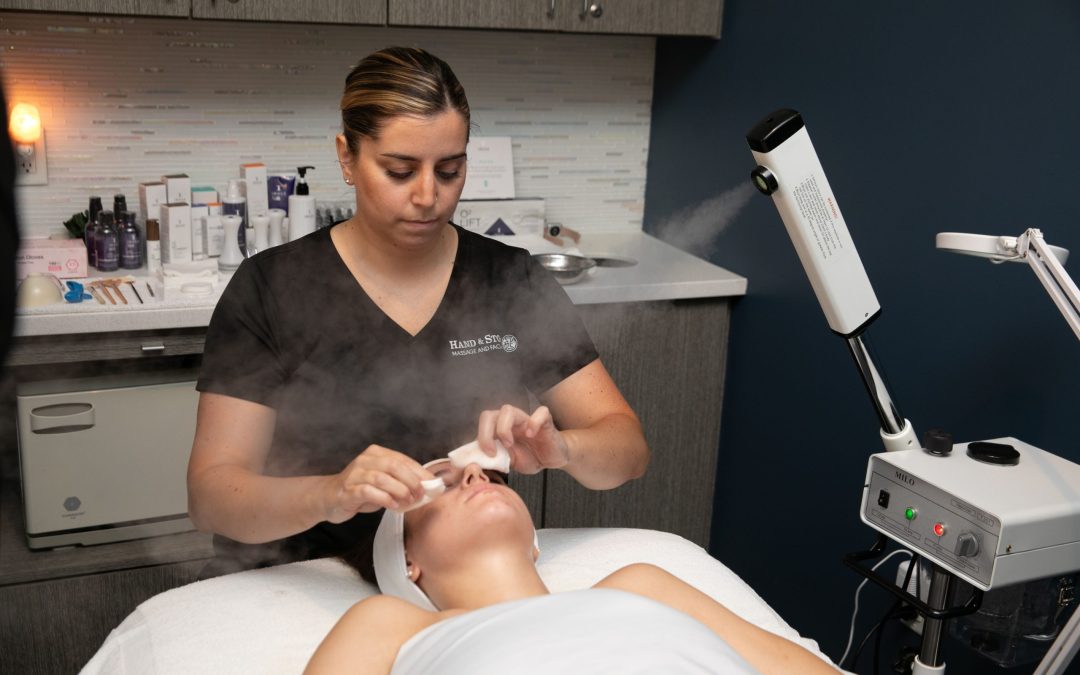
As an esthetician myself for 18 years, I’ve seen a fundamental shift in how consumers think about skincare, from what they use at home to professional services. For many years and especially in the U.S., professional skincare treatments were treated as a beauty service. Clients came in before a wedding, reunion or vacation, and the appointment was a reward or luxury, not a routine. Today, consumers are showing up more educated about skin barrier function, the effects of environmental stressors and the role of inflammation in skin health. The conversations and questions have also evolved. It’s now less about a quick fix and more about how to protect their skin for the next decade.
This is the esthetics transformation, and it doesn’t end with consumer behavior. It’s reshaping the economics of wellness franchising, and for franchisees evaluating where to place their investment, it’s a shift worth understanding.
From Occasion to Maintenance
The shift toward preventative skincare mirrors what we’ve already watched happen across other health categories. Fitness stopped being a January resolution years ago – it’s now a lifestyle infrastructure. Skin health is following that same path, and professional esthetic services are benefiting directly.
The broader wellness market confirms what practitioners see daily. According to the Global Wellness Institute’s 2025 Economy Monitor, the global wellness economy reached $6.8 trillion in 2024 – growing nearly 8% in a single year and outpacing global GDP growth by a significant margin. In the U.S., Americans now spend more than $6,000 per person annually on wellness. Personal care and beauty is the largest sector within that economy. That’s not a niche trend, but a fundamental realignment of how people prioritize their health spending, and it’s creating a consumer who is investing consistently in professional skincare services.
For franchise systems built on recurring revenue, that consumer is a natural fit for a membership model. The mindset is there, so the question is whether your system is built to meet it.
What the Data Inside a Wellness Franchise Reveals
The numbers tell a compelling story, and they matter directly to franchisee profitability.
At Hand & Stone, skincare services represent approximately one-third of annual systemwide service sales. That’s become a core revenue driver, and the unit economics beneath it are equally strong. A facial room generates $40 to $50 more per service hour than a massage room – a differential with meaningful implications for a franchisee’s bottom line.
This aligns with what the Global Wellness Institute has identified across the industry. Spas, which generated $157 billion in global revenues in 2024, are moving well beyond the traditional massage-and-facial model into results-oriented, clinical services. Franchisees who recognize this shift early and build their operations around it will be better positioned to capture the clients driving that growth.
What clients choose once they’re in the door reinforces the opportunity. Approximately seven out of 10 facial appointments at Hand & Stone include upgrades, which are customized, targeted skin condition specific treatments and range in price depending on the products or device technology used. That’s not a transactional upsell. It reflects clients who are educated, engaged and trust their esthetician enough to follow their guidance. For franchisees, that translates into higher revenue per visit.
We’ve also seen evidence of what I call dual-modality momentum. About 35% of our membership clients use both massage and facial services. Clients who discover the value of one professional wellness service are genuinely open to others, and that crossover increases per-client revenue, deepens the brand relationship and makes retention more durable. For franchisees, a client who books both services isn’t just more valuable today – they’re significantly less likely to leave in the future.
Why the Esthetician’s Elevated Role Is a Franchisee Advantage
The consumer shift toward preventative skin health has also changed what clients expect from their esthetician, and that change carries business value for franchisees.
The esthetician’s role used to be more transactional. Today, clients visiting to address redness and irritation, protect against UV damage, manage breakouts or maintain results following a procedure are looking for a trusted advisor. That deeper relationship drives the repeat visits and long-term retention that membership-based franchise models rely on.
For franchisees, investment in esthetician training and career development isn’t just a staffing cost – it’s a revenue strategy. Skilled, confident estheticians build client loyalty faster, generate upgrades and are a primary driver of retention that determines long-term unit performance. In a membership-based business, keeping clients is everything, and a well-trained esthetician protects that.
What Massage-Focused Brands Need to Recognize
For wellness franchises that built their identity around massage, the esthetics shift is worth taking seriously as a genuine growth opportunity. It works best, however, for brands willing to integrate skincare as a true wellness modality and not just another service.
Today’s consumer wants one place to meet their wellness needs. A franchise that can deliver a complete experience – including physical recovery and long-term skin health – becomes a more meaningful, harder-to-replace part of a client’s life. For franchisees, that translates into stronger retention and higher average spend.
Accessible price points make this achievable at scale, reaching the broad middle market of everyday consumers who want high-quality wellness services they can integrate into their routine.
When services are structured around consistent care rather than one-off appointments, more clients develop habits that produce real results, and franchisees build the recurring revenue base that makes their business more predictable and valuable.
What This Means for Franchisees
For candidates evaluating a wellness franchise opportunity, the esthetics evolution is a signal worth examining closely. A system that has meaningfully integrated skincare – not as a sole item, but as a revenue category with its own operational infrastructure – is a system with stronger diversification and resilient recurring revenue.
The brands positioned to grow understand what consumers increasingly understand – that skin health is a form of care. For franchisees, a model built around delivering that care consistently and accessibly is worth investing in.
Lisa Rossmann
In 2012, Lisa began her career at Hand & Stone as one of the brand’s first Regional Operations Managers. Since then, she has been promoted several times, with her current role now serving as Chief Corporate Spas & Innovation Officer.
In this role, Lisa oversees the P&L for all corporate spas and leads corporate store management – driving these businesses operationally and financially. Lisa also heads service & product protocol, the massage student program, and the brand’s Franchisee Innovation Committee