

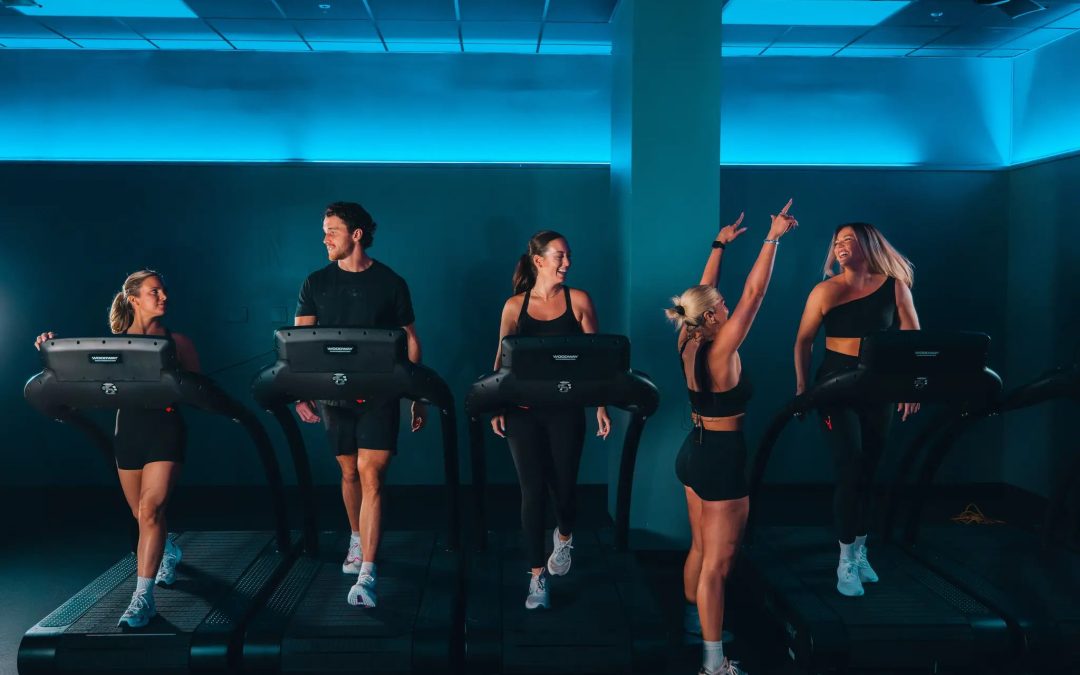
Over the last several years, Pilates has unquestionably been one of the most dominant modalities in the boutique fitness industry. As the President of Club Pilates from 2015-2021, I was very much involved in cultivating the Pilates movement. Reformers became social currency. Studios multiplied across suburban shopping centers and urban retail corridors alike. Investors rushed in. Franchise groups expanded aggressively. Consumers embraced the low-impact, aesthetic-driven promise of longer and leaner physiques. It was an amazing time to behold.
But as the fitness industry moves into its next chapter, there are growing signs that single-modality concepts, including Pilates, are approaching a saturation point. The issue is not that Pilates lacks value. Pilates remains an effective and beneficial form of training with loyal members and meaningful physical benefits. The issue is that today’s fitness consumer is no longer seeking just one dimension of wellness. They are looking for efficiency, versatility, personalization, and recovery – all within one ecosystem.
This shift in consumer demand is reshaping the future of fitness franchising. The modern consumer has fundamentally changed the way they think about exercise. Five years ago, members were willing to piece together multiple memberships: perhaps a yoga studio for flexibility, a cycle studio for cardio, a gym for strength training, and maybe a massage appointment once a week for recovery. Today, consumers want consolidated wellness experiences that fit into increasingly busy schedules and support a broader definition of health.
Fitness is no longer simply about calories burned or aesthetics achieved. It is about energy, longevity, stress reduction, mobility, recovery, community and sustainability. Consumers want workouts that challenge them without breaking them down. They want strength and conditioning together. They want intensity balanced with restoration. And increasingly, they want concepts that satisfy all of those needs simultaneously. Which is exactly why hybrid and multi-modality concepts are gaining momentum across the fitness industry.
The rise of hybrid training reflects what exercise science has supported for years: the human body responds best to varied stimulus. Cardiovascular conditioning improves endurance and heart health. Strength training supports metabolism, bone density, and functional movement. Mobility and recovery reduce injury risk and improve long-term consistency. Consumers are becoming more educated about these benefits, and they are demanding programming that reflects a more complete approach to fitness. The success of these hybrid concepts lies in their ability to solve multiple consumer goals at once. Rather than specializing in only one training style, multi-modality concepts, like STRIDE Fitness, offer a more comprehensive solution. With these concepts, a member can improve cardiovascular fitness, build lean muscle, enhance mobility, and recover properly, without needing to visit four different facilities.
In an economy where discretionary spending is increasingly scrutinized, consumers are evaluating wellness value differently. A single-modality studio that only delivers one narrow type of workout can become harder to justify when compared to brands offering broader functionality. Hybrid fitness concepts deliver value by creating a more complete member journey. They recognize that today’s consumer does not live inside rigid fitness categories. Someone may want endurance training one day, strength training the next, and active recovery after both. The brands that can fluidly integrate those needs are positioning themselves for stronger long-term retention and broader market appeal.
Recovery, specifically, may become the single most important differentiator in the next generation of fitness franchising. For decades, recovery was treated as secondary to training. Fitness culture glorified exhaustion, soreness, and overtraining. “No pain, no gain” became an industry mantra. But consumers today are far more informed about the consequences of chronic stress, burnout, inflammation, and injury. They recognize that physical progress does not happen solely during the workout itself – it happens during recovery. This cultural shift is fueling the explosive growth of recovery-focused wellness services. Cold plunges, saunas, red light therapy, compression therapy, mobility work, stretching studios, percussion therapy, and self-guided recovery programming are moving from niche offerings into mainstream fitness expectations.
The smartest fitness franchises are paying attention. Rather than viewing recovery as separate from fitness, brands like STRIDE Fitness, are integrating it directly into the member experience. This is a critical evolution because recovery increases not only performance, but consistency. Members who recover better, feel better. Members who feel better train more consistently. And members who train consistently stay longer. That directly impacts retention economics for franchise owners.
The future of boutique fitness is not simply about delivering the hardest workout in the market. It is about delivering the smartest and most sustainable one. Consumers increasingly want to leave workouts energized rather than depleted. They want intensity paired with intentional recovery. They want programming that supports longevity rather than short-term burnout. This is especially important as fitness demographics broaden. Boutique fitness is no longer dominated exclusively by younger consumers chasing aesthetics. Today’s market includes working professionals, aging populations, recovery conscious athletes, and wellness focused consumers who prioritize functional health over extreme performance. These groups often value balance more than intensity alone. Single-modality concepts face challenges in this environment because specialization can create limitations. While a dedicated single modality may attract initial interest, long-term engagement often depends on variety, progression, and adaptability. Consumers eventually seek broader physical development or supplemental training elsewhere. Hybrid concepts naturally create more opportunities for progression because they can evolve alongside changing member goals. The next major growth phase in fitness franchising will likely belong to brands that successfully blend modalities while integrating recovery and wellness into a unified experience. The winners in this next chapter will not necessarily be the brands with the trendiest workout – i.e. Pilates. They will be brands that understand how modern consumers actually live, train, recover, and sustain healthy habits over time. They will create environments where strength, cardio, mobility, recovery, and community coexist seamlessly.
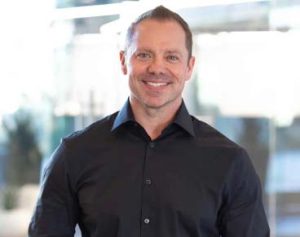
Shaun Grove
CEO, STRIDE Fitness
____________________________________________________________________________
Shaun Grove is a seasoned fitness franchising executive, entrepreneur, and strategist renowned for scaling boutique fitness concepts into global brands. Shaun’s path into fitness entrepreneurship is rooted in a diverse professional journey. He began his career as an attorney and briefly trained with the FBI before returning to law as general counsel for LA Boxing. There, he discovered his passion for the fitness industry, eventually becoming a multi-unit franchisee and gaining firsthand experience in franchise operations and ownership. Recognizing the power of replicable fitness models, Shaun partnered with business leader Anthony Geisler to establish the Club Pilates’ franchise system, prioritizing consistent branding, operational support, and a robust onboarding process for franchisees. Shaun was instrumental in building Club Pilates from a niche boutique concept into one of the world’s largest Pilates franchises, growing the brand from 25 locations to over 700 studios worldwide in six years. Under his leadership as President, Club Pilates achieved massive global expansion and became a category-defining franchise. Across his career, Shaun has been a franchise attorney, franchisor, franchisee, and corporate leader – a blend of perspectives that uniquely positions him to drive sustainable growth, empower franchise partners, and shape the future of boutique fitness worldwide. In his latest role, as CEO of STRIDE Fitness, Shaun brings his deep experience in franchise leadership, operations, and brand expansion to strategically grow one of the most exciting new concepts in boutique fitness today.