

I served in the U.S. Navy from 1988 to 1992 as a gas turbine technician aboard Spruance-class destroyers. Most of my time was spent in the engine room, working on the main engines and auxiliary systems that provide the main propulsion for the ship and keep the ship running.
It wasn’t glamorous work, but I loved the technical side of it. More importantly, the military gave me habits and behaviors that have stuck with me ever since. Discipline, accountability, and work ethic aren’t just words in the Navy, they’re expectations.
Those lessons followed me long after I left the service. At the time, I didn’t realize just how important they would become later in life.
Building a Career After the Military
After leaving the Navy, I spent several years working different jobs in the private sector, mostly labor work. Eventually, in 1999, I joined the Tennessee Valley Authority (TVA), the nation’s largest power provider. I stayed there for 26 years.
Like a lot of veterans, I found stability in that work. It was steady, challenging, and something I could take pride in. But after a couple of decades, my wife and I started having conversations about what the future might look like.
I began thinking about retiring early and possibly starting a business of my own. I had never owned a business before, but the idea of building something for myself, and for my family, was appealing.
Around the same time, my son, Nathan, was working in a body shop and developing a strong set of technical skills in the automotive world. The more we talked about it, the more the idea of starting a business together started to make sense.
Why Franchising Made Sense
I knew from the beginning that if I went into business, I wanted some support behind me. Owning a business was new territory, so the idea of franchising felt like a good fit. It offered structure, training, and a system that had already been tested.
Nathan’s background in the automotive industry led us to start researching detailing and automotive service franchises. That search eventually led us to Ziebart.
What stood out to me was the company’s long-standing reputation and the positive reviews we kept seeing from customers and franchisees alike. Another factor that meant a lot personally was that Ziebart waives the franchise fee for veterans. It showed me that they value the military community and understand what veterans bring to the table.
But what really made the decision easier was knowing we would have guidance along the way. When you’re stepping into business ownership for the first time, having a franchisor that can help you navigate things, from training to operations, makes a big difference.
Bringing Something New to Paducah
Paducah, Kentucky, is home for me. I’ve lived here since I was about two years old, and it’s where I spent most of my career working for TVA. When we started looking at opportunities, I realized something pretty quickly: Paducah didn’t have a one-stop shop for automotive appearance and protection services.
You could find places that did bits and pieces of the work, but nothing that combined services like rust protection, detailing, and bed liners in one place.
That’s what made the opportunity exciting. We weren’t just opening a business, we were bringing something new to the community.
Our location officially opened in the middle of 2025, and we’re already starting to see repeat customers come through the doors. For me, that’s one of the most rewarding parts of the experience so far, seeing people come back because they trust the work you’re doing.
Working Side by Side with Family
One of the biggest reasons I pursued this path was the opportunity to work with my son. Nathan is 23 and a co-owner in the business. Our long-term plan is for him to eventually take it over completely.
We work together every day. Like any father and son, we have moments where we knock heads, but that’s part of the process. Nathan handles a lot of the technical side of the operation, while I focus more on the business side with tasks like planning, operations, and long-term strategy.
Working alongside my son has been one of the most rewarding parts of this entire experience, but he’s not the only family member involved. My wife, Pam, has been part of this journey from the very beginning. In fact, she was the first person whose approval I needed before even considering starting a business. When I first brought up the idea, she was all in, but if she hadn’t been, I probably wouldn’t have even mentioned it to Nathan. Today she still plays an important role behind the scenes, helping with bookkeeping and running payroll. Like a lot of family businesses, what we’re building is truly a team effort, and having that kind of support at home makes a big difference.
Advice for Veterans Considering Franchising
If there’s one thing I’d tell other veterans thinking about entrepreneurship, it’s this: do your homework.
Take the time to research the opportunity thoroughly. Talk to other franchisees. Call the franchisor. Ask questions about the good and the bad.
When I first started exploring franchising, I realized something about myself, I was so excited about the idea that I was only hearing the parts I wanted to hear. That’s easy to do when you’re looking at a new opportunity.
You have to slow down and really understand what goes into running a business.
Another piece of advice is to find something that genuinely interests you. Owning a business takes time and energy, and there will be long days. But if you care about what you’re doing, it makes those days a lot easier.
Veterans should also look into the financial resources available to them. There are programs and lenders that specifically support veterans who want to go into business.
And finally, don’t overlook the structure that franchising can provide. For someone transitioning from the military where systems, procedures, and teamwork are part of everyday life, the franchise model can feel like a natural fit.
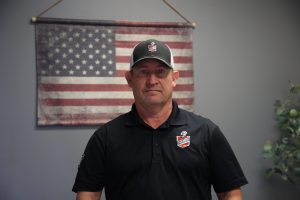
By Rodney Souder, Ziebart Franchisee in Paducah, KY