

By Todd Rogers, Owner of Donatos Pizza Dayton
When people learn that I own and operate 17 Donatos Pizza locations, they often assume I spent years working in restaurants before becoming a franchisee. In reality, I had never worked in a restaurant before my first day of Donatos training. What I did possess was four years as an officer in the U.S. Air Force, and an MBA earned while on active duty.
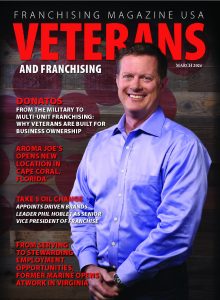
From the moment I entered the Donatos system, my mindset was clear. I loved the level of responsibility I was given in the Air Force and wanted a career that carried that same sense of ownership and accountability. Franchise ownership offered that opportunity. This was not a trial period or a side investment; I was committed fully to building a restaurant business that would be my career for life, and every decision from that point forward reflected that long-term commitment.
That level of commitment matters in franchising. Restaurant ownership rewards people who are hands-on, fully invested in the day-to-day realities of the business and willing to grow through challenges over time. For veterans, that sense of long-term mission and ownership often comes naturally.
Engineering a Problem-Solving Mindset
Before entering the Air Force, I earned a degree in industrial and systems engineering. That education taught me how to think critically and solve problems in a logical, structured way. Engineering requires breaking down challenges, evaluating variables, and applying logical solutions, skills that became essential both in the military and later as a franchisee.
Restaurant operations are fast paced and people driven. Each day brings new challenges related to staffing, customer expectations, supply chain realities, and operational execution. My background in engineering helped me approach those challenges calmly and analytically, instead of reacting purely on emotion.
Military Leadership in a Franchise Environment
Military training reinforces habits that align naturally with franchising. It was all about discipline, communication, teamwork, and problem-solving, key skills for any business owner to possess.
One of the most important lessons I learned in the Air Force was the value of clear and effective communication at every level of an organization. Whether briefing senior leadership or working alongside my team, success depended on clarity, preparation, and accountability. Those same principles guide how I operate my restaurants and guide my staff today.
The Strength of a Proven Operating System
The military also places a strong emphasis on standard operating procedures. SOPs provide structure and predictability. When properly developed and consistently followed, they reduce variability and improve outcomes. That approach mirrors the franchise model and creates a strong foundation for scaling.
One of Donatos’ greatest strengths is its operating system. Jim Grote, our founder, built a framework based on repeatable processes that, when followed, produce consistent, high-quality food and service over and over again. This is a huge reason why the company has been so successful, and a big appeal when I was looking into becoming a franchisee.
Developing People Through Trust and Empowerment
While systems are essential, it is the people who determine results. From the beginning, my primary focus has been developing strong teams and future leaders. That meant hiring for character, work ethic, and cultural fit rather than credentials alone.
Military leadership emphasizes preparing people thoroughly, then trusting them to make decisions. This same approach applies in franchising. When people feel trusted and supported, they take ownership of their roles.
Over time, this approach helped build a strong leadership pipeline within my restaurants. Many of our managers and leaders began in entry-level roles and grew because they were given responsibility and guidance, and we’ve built a tight-knit culture because of it.
Scaling While Staying Focused on the Core
As a business grows, maintaining consistency becomes more challenging. Scaling successfully requires staying focused on the fundamentals: providing high-quality pizza, delivering great service, and developing people at every level of my business.
Military training reinforced the importance of leading by example, particularly during difficult times. During periods of uncertainty, including the COVID pandemic, I spent significant time working in our restaurants to support our teams during high-demand and often intense periods. I’d do delivery in snowstorms and work the shifts that no one wanted to take. That presence reinforced trust and demonstrated a shared camaraderie and commitment to getting through difficult situations together.
Hands-on leadership remains critical in the restaurant industry. Staying involved allows owners to identify issues early and address them before they escalate, while also reinforcing a culture of accountability and teamwork.
Why Veterans Are Well Suited for Franchising
Veterans are accustomed to responsibility, structure, and mission-driven work. Franchising provides all three, in an environment where those qualities are valued and rewarded.
Prior restaurant experience is not a prerequisite for success. A willingness to learn, follow systems, and invest in people matters far more. Those qualities are deeply ingrained through military service, and, when applied to this industry, it can create a lifelong career path that’s rewarding in every aspect.