
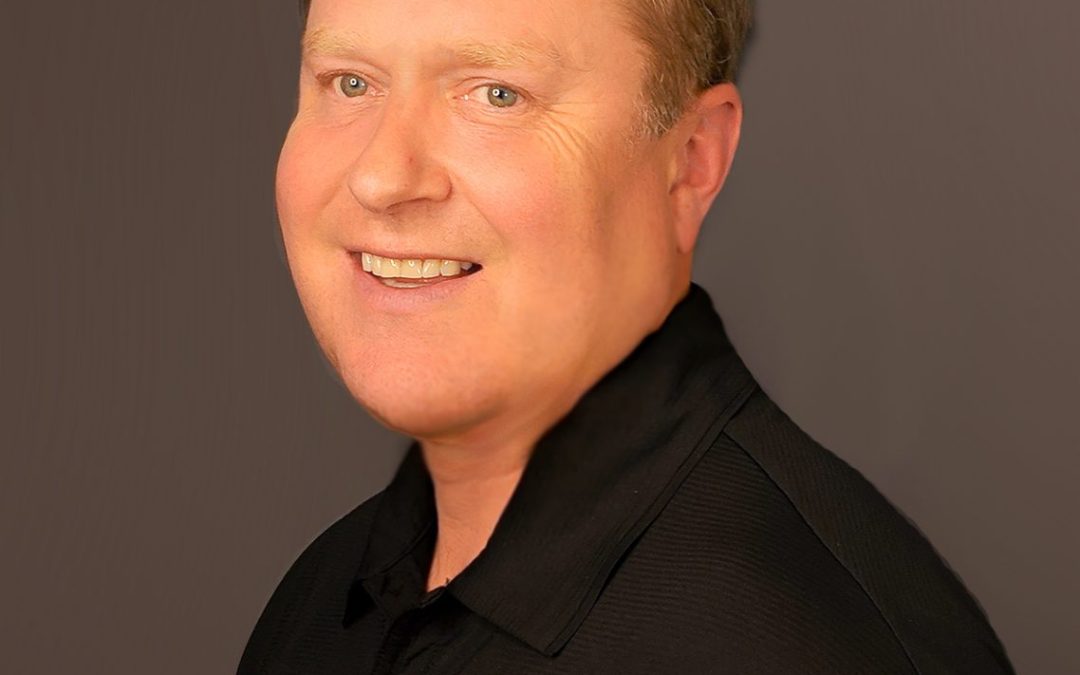
By Paul Flick, CEO of Extraordinary Brands
When we first evaluated Basecamp Fitness, my team approached the opportunity with a healthy degree of scrutiny. The boutique fitness landscape is highly competitive, and at first glance, another high-intensity interval training (HIIT) concept needed a clear point of differentiation. But the more time I spent with the brand, the more I kept returning to one defining detail: 35 minutes.
Thirty-five minutes. I kept coming back to that number. Because in my experience, the fitness concepts that struggle are the ones asking too much of people – too much time, too much complexity, too much willpower. Basecamp doesn’t do that. You show up, you go hard, you leave. People can actually fit that into a Tuesday.
That realization ultimately led to our decision to acquire the brand.
At Extraordinary Brands, we are not striving to become the largest franchisor in boutique fitness. Instead, our focus is on building a disciplined, high-performing portfolio that delivers long-term value for franchisees. Today, our platform includes CycleBar, Rumble Boxing, Row House, NEIGHBORHOOD barre and, now, Basecamp Fitness. With each acquisition, we ask a fundamental question: Does this addition strengthen our franchisees’ ability to succeed, or does it simply expand our footprint?
With Basecamp Fitness, we believe the answer is clear.
A Strategic Fit for Modern Franchise Growth
When I walked into my first Basecamp location, the thing that stood out wasn’t the workout – it was the footprint. You don’t need a massive space. You don’t need a big team.
For a franchisee already running one or two studios, that changes the math. It’s a model that’s easier to layer into what they’re already doing, and we’ve seen that play out across our other brands.
For operators already in our system, this becomes a very straightforward expansion. A CycleBar or Row House owner can open a Basecamp in the same market, use what they’ve already built, and bring in a different type of customer without reinventing the business.
Building a Platform Designed for Franchisee Success
The shared services model at Extraordinary Brands isn’t the flashiest part of the business – but it’s where franchisees actually feel the difference.
It shows up in the day-to-day. Marketing that doesn’t have to be reinvented at the local level. Technology that works the way it’s supposed to. Someone picking up the phone when something breaks.
Katy Richardson, our Chief Operating Officer, has spent the last couple of years focused on that layer of the business. As the founder of NEIGHBORHOOD barre, she’s been on the other side of it – trying to hold everything together without enough support – and she’s very clear on where systems tend to fail.
Her view is straightforward: “Most franchisees don’t fail because of the concept. They fail because they run out of support at exactly the wrong moment.”
That’s really the job. Making sure that moment doesn’t happen.
Preserving What Makes Basecamp Unique
Like any acquisition, integrating a new brand requires thoughtful execution. There is a period of alignment during which systems are evaluated, vendor relationships are optimized and best practices are integrated. However, preserving the elements that make a brand successful remains paramount.
With Basecamp Fitness, what stands out is the community. The loyalty inside those studios is real, and it’s something we’re not looking to disrupt.
The goal isn’t to come in and overhaul the brand. It’s to give the team better support through stronger franchise development, better tools, and more opportunity to grow into markets where they don’t exist today.
That’s where we think the upside is: helping the brand scale without losing what made it work in the first place.
A Profit-First Approach to Franchising
The boutique fitness industry is experiencing continued consolidation, driven by the need for scale, efficiency and operational excellence. For franchisors, the question is not whether to grow, but how to grow responsibly.
At Extraordinary Brands, our guiding principle is franchisee profitability. Nigel Skiathitis, President of Emerging Brands at Extraordinary Brands, reinforces this commitment by holding our leadership team accountable to the long-term success of our operators. System-wide revenue and unit count are important, but they are secondary to ensuring that franchisees build sustainable and profitable businesses.
A Compelling Opportunity for Entrepreneurs
Basecamp Fitness adds something different to the portfolio, especially for operators looking to grow without taking on a heavier lift. There’s still a lot of open territory across the U.S., and demand for shorter, more efficient workouts isn’t slowing down. From our perspective, that creates a clear path to expand – but in a way that stays practical for franchisees.
For prospective franchisees, the value proposition is straightforward: a proven concept, a disciplined franchisor and a leadership team committed to providing the tools necessary for success.
Looking Ahead
Boutique fitness isn’t going away, but the way brands scale is changing. Growth without the right support structure doesn’t hold, and that’s something the industry has learned over the past few years.
That’s where our focus is – building a platform that gives strong concepts a better chance to succeed over the long term. Basecamp Fitness fits into that strategy. Not simply as another brand in the portfolio, but as a concept we believe can perform for franchisees with the right level of support behind it.
That is what we are building, and we believe the best is yet to come.
Paul Flick is the Founder and CEO of Extraordinary Brands, a multi-brand franchisor specializing in boutique fitness and wellness concepts. The company’s portfolio includes CycleBar, Rumble Boxing, Row House, NEIGHBORHOOD barre and Basecamp Fitness. Through a shared services model and a commitment to franchisee success, Extraordinary Brands empowers entrepreneurs to build and scale thriving fitness franchises.