

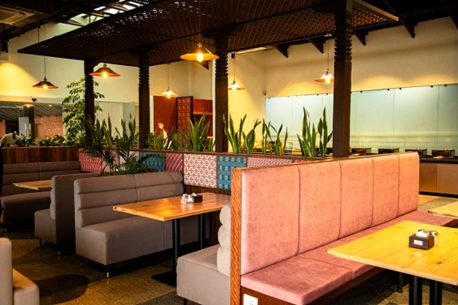
Opening a restaurant franchise feels like a countdown clock. You have a lease start date, a training window, a grand opening plan, and a brand that expects the space to look and run a certain way. The problem is that build-outs do not follow wishful timelines. One missed decision can trigger a domino effect, permit slip, equipment arrives late, inspections get rescheduled, and your opening day becomes ‘opening month.’
The good news is that most delays and budget blowouts come from predictable mistakes, and predictable mistakes are preventable when you plan well. In this guide, we’ll outline build-out mistakes restaurant franchisees should avoid before opening day.
1. Choosing a builder without franchise and restaurant experience
Not every contractor understands the pace and precision of restaurant franchise work. These projects involve branding rules, kitchen coordination, permits, compliance, equipment timing, and a hard opening target. Working with a team such as I-5 Design Build can help franchisees reduce gaps between design intent and construction reality, especially when consistency and timing matter.
The real mistake is choosing based on price alone. A lower bid can become a more expensive project when revisions, delays, and communication gaps start piling up. Restaurant work is technical, franchise work is technical in a different way, and you need both. Be sure to look for signs that a builder understands:
- Restaurant equipment coordination
- Franchise brand standards
- Inspection and permit sequencin
2. Signing a lease before fully understanding the space
Some franchisees get excited about location and move too quickly. The address looks right, the traffic feels strong, and the landlord is ready to deal. Then the build-out begins, and hidden limitations appear. The utility capacity is weak, the venting path is complicated, the grease trap setup is inadequate, and the back-of-house space is tighter than expected.
A restaurant should not be judged by the dining area alone. The kitchen, storage, waste flow, delivery access, and mechanical needs all matter just as much. A space that seems attractive on paper can become expensive once real build requirements are reviewed. Before committing, confirm:
- Electrical and plumbing capacity
- HVAC and ventilation feasibility
- Delivery, trash, and service access
3. Assuming the franchise prototype will work without site-specific adjustments
Franchisees often rely too heavily on the standard prototype. It makes sense because the brand already has approved layouts, equipment plans, and design expectations. However, a prototype is a starting point, not a guarantee. Every site comes with its own limits, and those limits show up fast once real measurements, code requirements, and construction conditions are reviewed.
A location may have low ceilings, awkward columns, limited utility access, or landlord restrictions that affect the layout. What looked simple in the prototype can become more complicated in the actual space. When franchisees assume the standard plan will fit without much change, they usually end up dealing with redesigns later, and late changes are almost always more stressful and more expensive.
The better approach is to test the prototype against the real site as early as possible. This gives the team time to protect the brand while also solving practical issues before they affect scheduling, budget, or operations. A restaurant build-out works best when the concept is adapted carefully, not copied blindly.
4. Underestimating permit and inspection timelines
Many opening schedules look reasonable until permit review begins. Then one correction leads to another, inspection slots fill up, and trade sequencing gets pushed back. Franchisees often think construction delay is the only risk, but paper delay can be just as disruptive.
This becomes dangerous when hiring, training, and marketing are already tied to a launch date. If your permits lag, everything else backs up behind them. A realistic schedule should include buffer time for plan review, revisions, inspections, and utility sign-offs. Tight calendars rarely survive a real approval process.
5. Focusing too much on appearance and not enough on workflow
Restaurant efficiency is built on movement. If your line cooks are crossing paths, your expo station is cramped, or your dish area is too far from the dining room, you will feel it every shift. Worse, poor flow forces last-minute plan changes when operations reviews happen.
Design around the work, then polish the aesthetics. Start with order-to-plate routing, then back into equipment placement, then confirm clearances. Think through kitchen line spacing and turning radius, dishwashing workflow and drying space, trash staging, and the delivery path from the back door to storage and prep. A beautiful dining room cannot compensate for a kitchen that burns time.
6. Ordering equipment too late or without coordination
Equipment decisions affect more than purchasing. They shape utility plans, clearances, storage, production flow, and installation timing. Yet some franchisees wait too long to finalize equipment, or assume the approved list will be easy to source on schedule.
This creates downstream problems. A delayed hood system can stall progress. A substituted unit may require different power or clearance. Equipment planning needs to happen early and in coordination with the design and construction teams, and not as a separate conversation. Procurement should support the build, instead of chasing it.
7. Leaving brand standards and local code to fight each other too late
Franchisees often assume brand approval means code approval will follow naturally. It does not always work that way. A detail that satisfies the brand may still conflict with accessibility rules, health requirements, fire safety expectations, or local building standards. Waiting too long usually leads to:
- Rushed redesigns
- Costly rework
- Compromises that weaken the finished space
The goal is to align brand standards and code early enough that neither becomes a surprise near opening day.
8. Rushing the final stretch just to hit the opening date
The last phase of a build-out creates emotional pressure. Rent is running, staff is waiting, and marketing may already be active. At that point, franchisees can become too willing to accept incomplete punch work, skip proper testing, or move into training before the space is ready.
This is a mistake with lasting consequences. The final stretch should be used to verify equipment performance, walk the site carefully, test systems, and catch small defects before they become operational problems. Opening day should not be the first full test of the restaurant.
Endnote
Restaurant franchisees do not need a perfect build-out, but they do need one that is practical, compliant, and built around real operating conditions. Opening day comes fast, and spaces that look finished are not always ready. Avoiding these mistakes gives a franchise location a better chance to open with confidence, consistency, and fewer costly surprises.
Photo by Shailendra Dhakal on Pexels