

Looking to buy a franchise opportunity in the USA
We understand the importance of Franchising with its powerful influence to recharge the US economy and empower potential Franchisees looking for Franchises for sale. Franchising Magazine USA offers advice and a Franchise Directory of some of the Top Franchises to buy.
Getting Started
Looking to become educated and informed, we share our expertise in the franchise industry
Franchises FOR SALE
If you think you’re suited to franchising, explore franchises available in the USA.
Expert Advice
Our editorial is written by top experts, offering informative content that is franchisee specific.
current franchise magazines


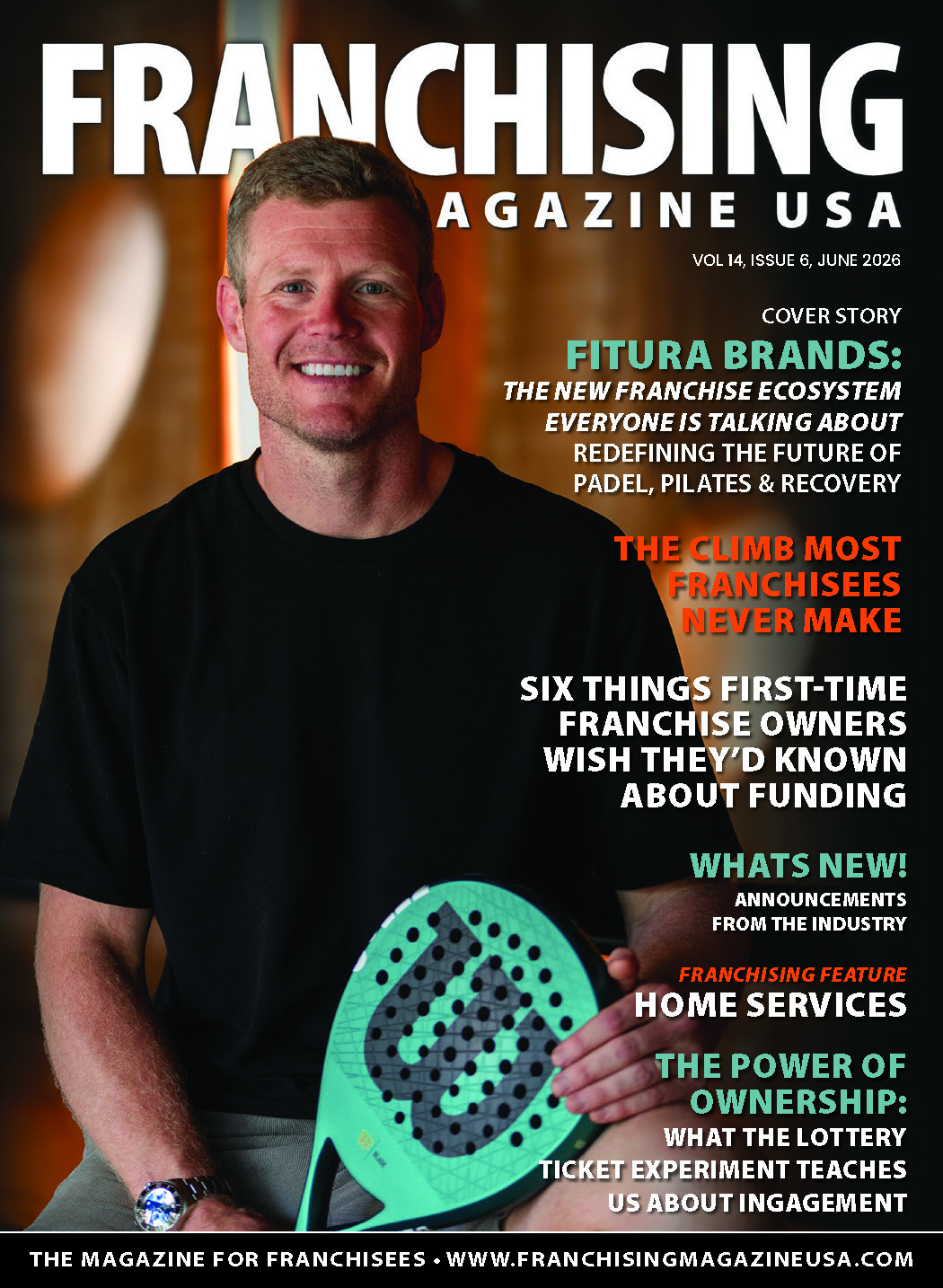
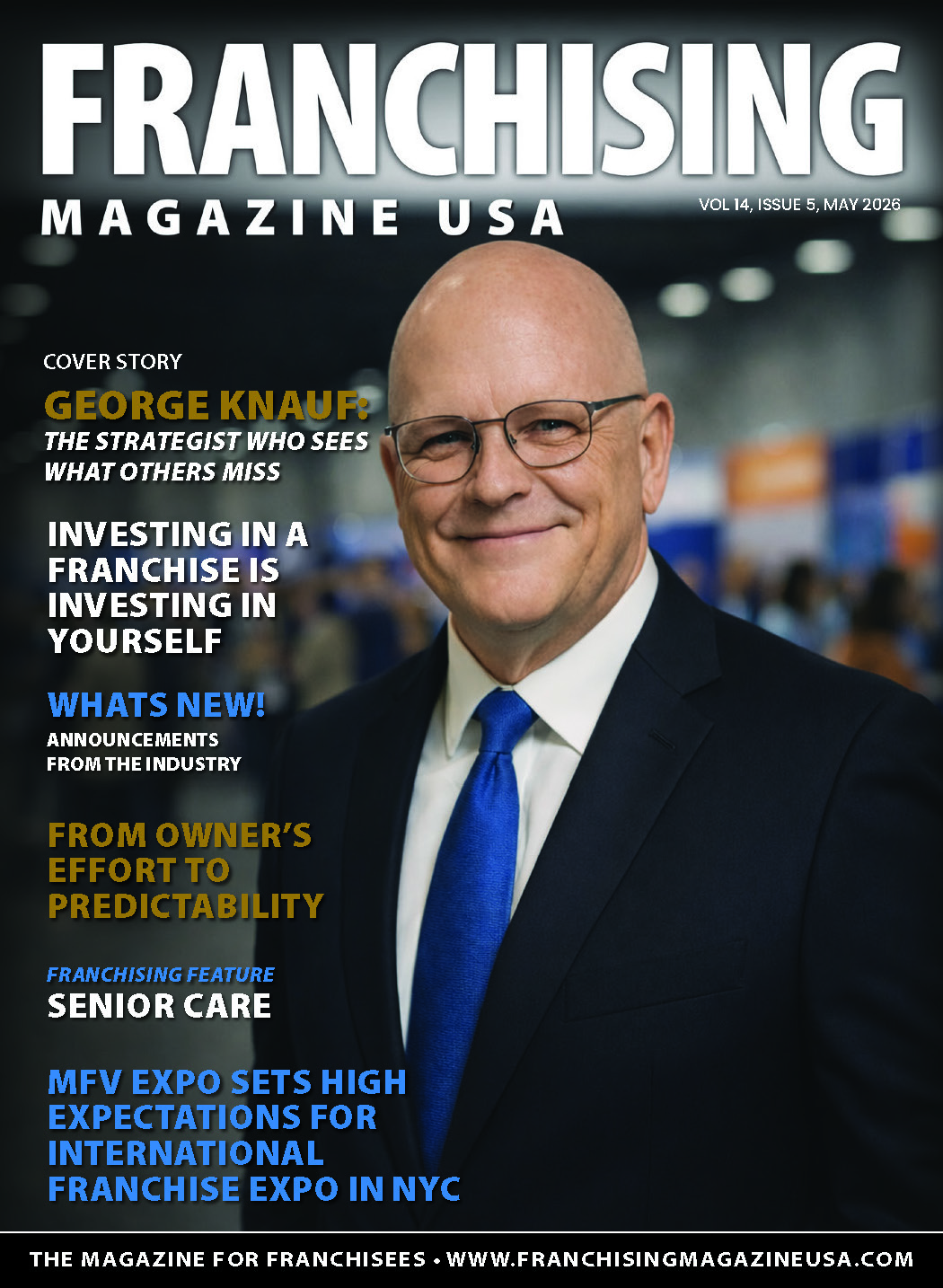
featured franchise opportunities













Latest Issue, Top Franchises
Get Started
All you need to know about franchising
Learn the fundamentals of franchising with Franchising Magazine USA to reach all your franchise goals
franchise Updates
Latest franchise industry news

Franchising Magazine USA proud to partner with the IFA World Franchise Show
We're proud to partner with the IFA World Franchise Show, the most important event for entrepreneurs looking to become their own boss and begin their franchising journey. Taking place September 25–26 at the Broward County Convention Center, the show brings together...

Huey Magoo’s Debuts The Filet Mignon of Chicken® in Arkansas
Arkansas, prepare to meet the Filet Mignon of Chicken®! The first of six statewide locations of Huey Magoo's, the fast-casual chain known for its premium, handcrafted chicken tenders, is under development in Conway. Area franchisee Dennis Porter, along with Sander...

Rock N’ Roll Sushi Takes the Stage in Taylor With First Michigan Location
Rock N' Roll Sushi, the original rock-themed sushi restaurant known for its inventive rolls and high-energy atmosphere, is turning up the volume with its Michigan debut at 23370 Eureka Road. Located in “Eureka Way,” the heart of Taylor’s bustling retail and...
franchise Expert Advice

Own the Decision & Build Confidence
The Confidence Cost of Delay It was a normal mid-spring storm afternoon. Our department had already been dispatched to multiple “wires down” calls when the dispatcher came back on the radio: “Structure fire: house filling with smoke after a lightning strike.” When I...

How AI Is Reshaping Franchise Sales and Customer Acquisition
Joe Gagnon, CEO & Co-Founder, Raynmaker Franchise sales have always depended on a simple but difficult balance: generating demand and responding to it quickly enough to convert. Today, AI is beginning to reshape both sides of that equation. For franchise brands,...

The Fracture Points in Today’s Franchise Systems
By Matthew Kreutzer As inflation and pricing pressures intensify, many systems are confronting a widening gap between what the brand delivers and what still depends on the individual operator. Inflation, pricing pressure, and uneven performance are creating friction...
Subscribe to our Newsletter
Want to stay on top of the LATEST NEWS and what’s happening at the forefront of franchising?